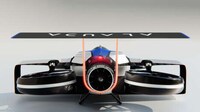
The Killajoule is an incredibly weird and futuristic looking electric sidecar, built and driven by Eva Hakansson, that became the world's fastest electric sidecar after hitting a jaw-dropping top speed of 389 km/h at the Bonneville Motorcycle Speed Trials. The electric vehicle broke almost every previous record, while its driver Hakansson -- a mechanical engineering PhD student -- became the world's quickest female on a motorbike.
The Killajoule is essentially a hobby project that Hakansson worked on with her husband Bill Dube in their two-car garage over a period of five years.
The car's appearance is striking as it measures 19 feet long. Its battery can be charged using wind power or via a hybrid bio-diesel generator. It is a powerful example of the fact that eco-friendly vehicles need not be slow or boring.
Photo Credits: designboom, killacycleracing
What's Driving This Trend
- Electric Sidecars
- Opportunity for the development of faster and more eco-friendly electric sidecars.
- Hobby Projects
- Growth potential in the market for hobbyists working on unconventional projects like the Killajoule.
- Eco-friendly Vehicles
- Disruptive innovation opportunities for the production of powerful and sustainable eco-friendly vehicles.
Who This Affects Most
- Automotive
- Automotive industry can explore the potential of electric sidecars and eco-friendly vehicles.
- Engineering
- Engineering industry can benefit from the growth of hobby projects and unconventional vehicle designs.
- Clean Energy
- Clean energy industry can tap into the opportunity of charging electric vehicles using wind power and hybrid bio-diesel generators.