The newest line of Kamigami educational robots feature dinosaurs that are designed to teach kids how to code. Kamigami entered the educational tech space with its first run of bug-themed robots. The dinosaur models do not differ too much from the original bug concept, but these new robots ditch the origami design of its predecessor and instead adopt a plastic cover with a more refined look.
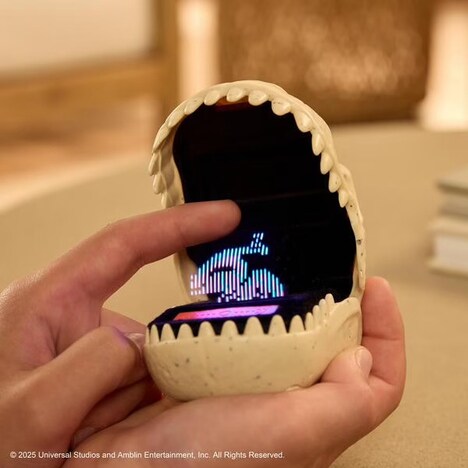
The two new Kamigami educational robots feature a tie-in with the Jurassic World companion app, and allow users to drag-and-drop code to make the dinosaurs move. The robots can light up, make noise, dance, complete basic movement actions and engage in a variety of other interactions. The dinosaur robots can be charged through Micro USB and the charger looks like a piece of meat that is inserted into the dinosaur's mouth.
Image Credit: POPSUGAR
What's Driving This Trend
- Educational Robotics
- The emergence of educational robots like Kamigami presents opportunities for integrating coding and STEM education into children's learning experiences.
- Integrated Coding Curriculum
- The integration of coding into educational robots offers new possibilities for developing comprehensive coding curriculums that engage and educate children.
- Interactive Learning Tools
- Interactive features in educational robots, such as dance moves and customizable code, enhance children's learning experiences and make it more engaging.
Who This Affects Most
- Education
- The education industry can leverage educational robots to transform the way coding and STEM concepts are taught, creating innovative learning opportunities for children.
- Toy Manufacturing
- Toy manufacturers have the potential to tap into the market of educational robots, offering fun and engaging play experiences that also teach children valuable skills.
- Technology
- The technology industry can support the development of educational robots and related software, contributing to the advancement of coding education for children.