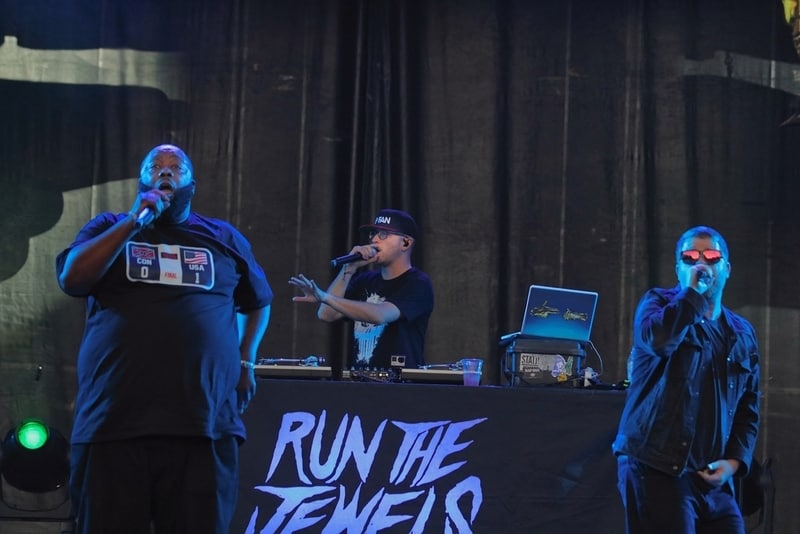
Juice Runners is a ready-to-drink (RTD) cocktail brand launched by hip-hop duo Run The Jewels, introduced in spring 2025 and featuring the mezcal-based 5.9% ABV Paloma Remix. The label was initially self-funded by Killer Mike and EL-P, with proceeds from merchandise reinvested to retain creative control while building the product.
After closing a US$2 million seed round in April 2026, Juice Runners outlined expansion plans including a second rum-based canned cocktail called Sea Legs and a bottled collector’s rum made with St Lucia Distillers and Fred Minnick. A newly formed executive team—CEO Joe Malcoun, COO Kate Brankin and CBO Leif Huckman—will scale production and national distribution.
For consumers, the brand combines artist credibility with beverage craftsmanship, offering a culturally rooted RTD option as celebrity-founded drinks shift from novelty to sustained category growth.
Image Credit: Shutterstock/L Paul Mann
Key Themes Behind This Trend
- Artist-led Beverage Brands
- Artists using cultural credibility and self-funding to launch beverage lines creates new models for brand authenticity and fan-driven product development.
- Celebrity-backed RTD Maturation
- The shift from novelty drops to sustainably financed RTD portfolios signals a move toward long-term category-building and professionalized beverage operations.
- Craft-crossover Mass Production
- Blending craft spirits and artisanal recipes with national-scale canned formats opens pathways for premium flavor experiences at mainstream price and distribution points.
Where This Applies
- Alcoholic-beverage
- Partnerships between artists and distillers suggest opportunities for co-branded SKUs that marry storytelling with scalable production and distribution.
- Music-and-entertainment
- Musicians expanding into consumer goods indicate new revenue streams and deeper fan engagement via tangible products tied to creative identity.
- Consumer-packaged-goods
- Merchandise reinvestment and seed funding models point to alternative CPG go-to-market strategies that prioritize brand control and direct-to-fan economics.