JiYu, the skincare brand known for its science-backed formulations developed and manufactured in South Korea, is coming to consumers across North America to share its proven K-beauty formula and shortcut to radiant, glassy skin.
The brand has taken off on social media for its unique approach to innovation, which sees every product developed through a lens that identifies the real skin concerns people face daily and a scientific lens devoted to solving problems effectively and differently than anything currently available on the market.
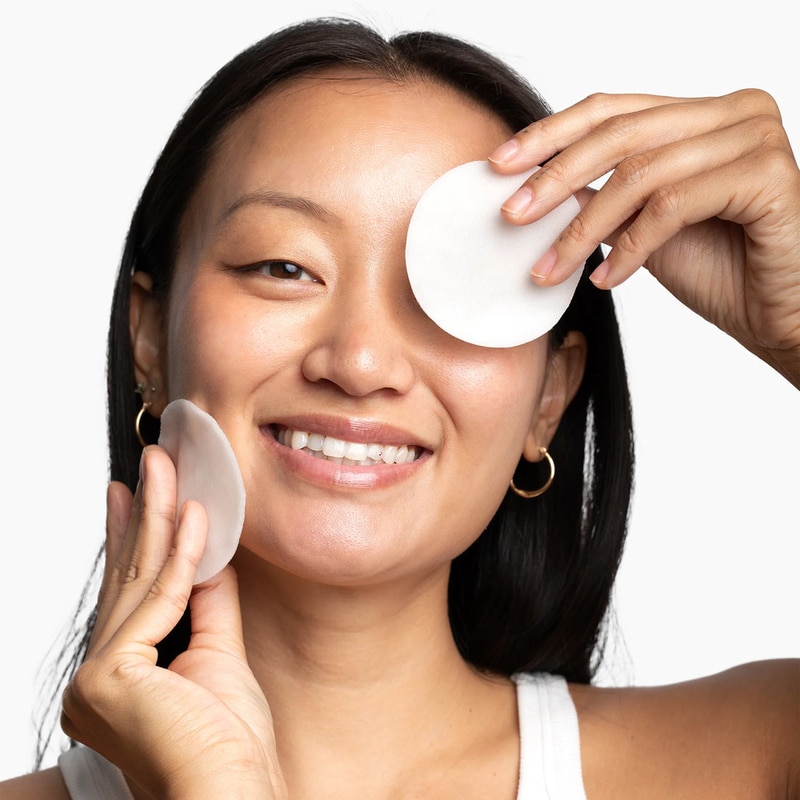
JiYu's Anti-Aging Glow-Up Bundle pairs its cult-favorite, gently exfoliating Renewal Toner Pads with NAD+ Moisturizing Cream for repair at the cellular level and transformative results that yield visibly younger-looking skin.
What Makes This Trend Stand Out
- Science-backed K-beauty Mainstreaming
- A surge in Korean-formulated, clinically validated skincare entering Western markets creates potential for brands to redefine efficacy standards and consumer trust metrics.
- Social-media-driven Product Adoption
- Viral content and influencer endorsement increasingly determine breakout skincare hits, reshaping product development priorities around shareable rituals and demonstrable results.
- Cellular-level Anti-aging Formulations
- Growing consumer demand for ingredients like NAD+ that target cellular repair opens pathways for novel ingredient delivery systems and personalized anti-aging regimens.
Sectors Adopting This
- Skincare and Cosmetics
- Traditional beauty brands face pressure from science-first entrants to invest in transparent clinical data and lab-grade formulations that can command premium positioning.
- Biotech and Dermatological Research
- Advances in cellular biology and topical delivery present opportunities for cross-disciplinary products that blur lines between cosmeceuticals and medical treatments.
- E-commerce and Direct-to-consumer Retail
- Digital-native distribution models coupled with social proof mechanisms enable faster market entry and iterative product refinement based on real-time consumer feedback.