ABB is bringing industrial AI to motors with 'Intelleqt', a low-voltage motor with sensing and edge computing built in at the factory. It starts delivering operational data from the first rotation, so operators can track performance without adding separate monitoring gear, the company says.
The motor works with existing digital platforms, so the data can flow into systems operators already use, while customers keep ownership of their data. The company says factory sensing and connectivity can help cut unplanned downtime by up to 50% and identify energy savings of 30% or more.
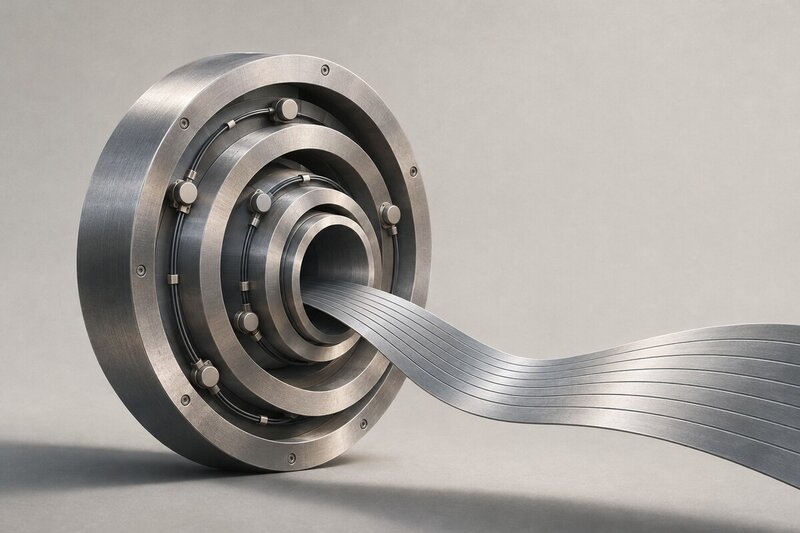
ABB shows how a low-voltage motor with built-in sensing and edge computing can supply operational data from the first rotation without separate monitoring gear, with a 2027 rollout beginning in Europe and Japan for industrial customers.
Image Credit: AI-generated
What's Driving This Trend
- Embedded Motor Intelligence
- Factory-integrated sensing and edge computing in low-voltage motors creates new value by turning standard industrial components into data-generating assets from initial operation.
- Predictive Maintenance Automation
- Real-time motor performance data enables more accurate failure detection, reducing unplanned downtime while expanding demand for automated maintenance ecosystems.
- Energy-optimized Operations
- Continuous visibility into motor efficiency supports smarter industrial energy management, opening opportunities for software-driven savings across high-consumption facilities.
Who This Affects Most
- Industrial Automation
- Connected motors strengthen automation platforms by feeding operational insights directly into existing control systems and digital workflows.
- Manufacturing Technology
- Smart equipment with built-in diagnostics shifts factories toward self-monitoring production environments that improve uptime and resource efficiency.
- Energy Management
- Motor-level intelligence provides granular consumption data that can support more precise optimization strategies for industrial energy performance.
Featured Reports

The Future of Food Isn't Always About Invention

The Smaller Celebration Economy