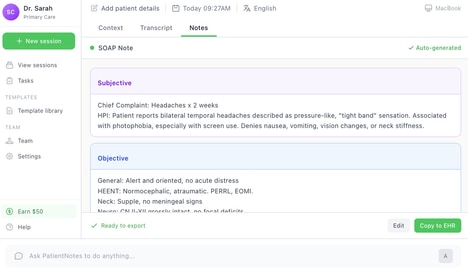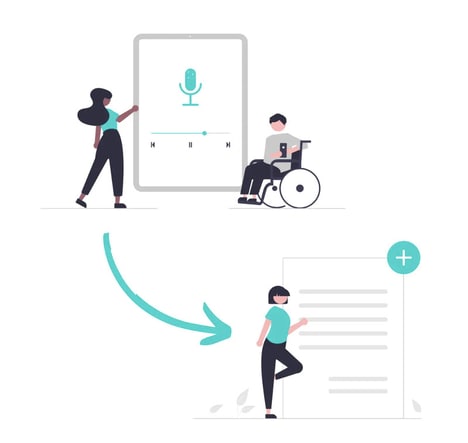
OptiMantra built ‘AI Scribe’ into its electronic health record for wellness and behavioral health clinics, letting a patient visit be recorded with consent and turned into a draft note in the chart. Because it sits in the visit record, providers can review, edit and sign the note without switching to a separate app or pasting text between windows.
Nothing is filed automatically: Each note remains a draft until the clinician signs it, and the software does not make diagnoses. ‘AI Scribe’ is available now to OptiMantra customers, and a practice administrator can activate it within an account. Clinics can also test the feature through a free trial.
Starting at $19 per provider per month, the feature turns AI documentation into an add-on that smaller practices can budget for without adopting a second charting app. Keeping the scribe inside the chart widens AI documentation’s appeal for clinics that want less administrative work without handing off clinical judgment.
Image Credit: OptiMantra
Key Themes Behind This Trend
- Embedded AI Documentation
- Clinical note automation is becoming more valuable when it lives inside existing workflows, creating room for EHR-native intelligence that reduces context switching without replacing provider oversight.
- Consent-based Visit Capture
- Patient-approved recording is shaping a more transparent model for healthcare AI, where documentation tools can gain trust by pairing ambient capture with clinician review controls.
- Affordable Practice Automation
- Low-cost AI add-ons are widening access for smaller clinics, suggesting new market potential for modular automation that fits limited budgets and specialized care settings.
Where This Applies
- Electronic Health Records
- EHR platforms are positioned to evolve from static record systems into workflow hubs that embed AI assistance directly within clinical documentation processes.
- Behavioral Health
- Therapy and wellness clinics face high documentation demands, making integrated AI scribes especially relevant for preserving provider attention during patient interactions.
- Healthcare Software
- Specialized software vendors can differentiate through built-in, clinician-controlled AI features that streamline operations while maintaining compliance-sensitive decision boundaries.