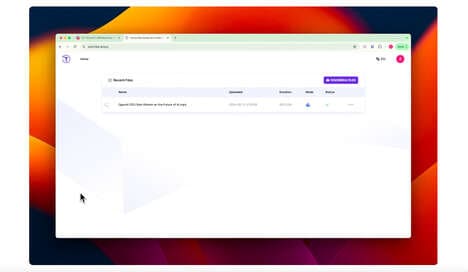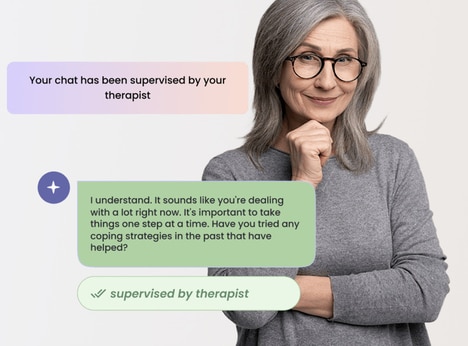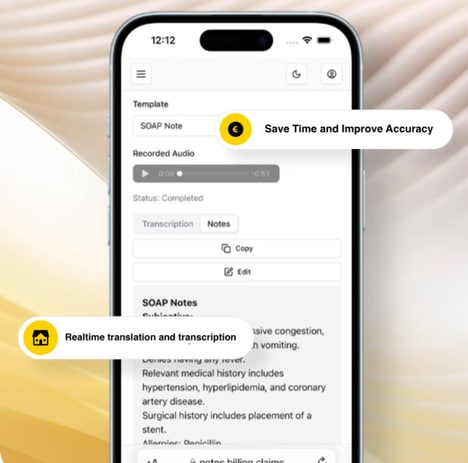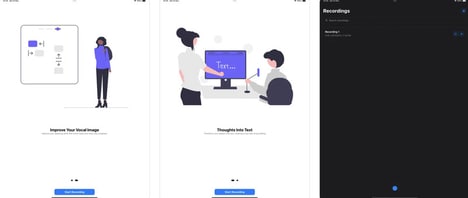
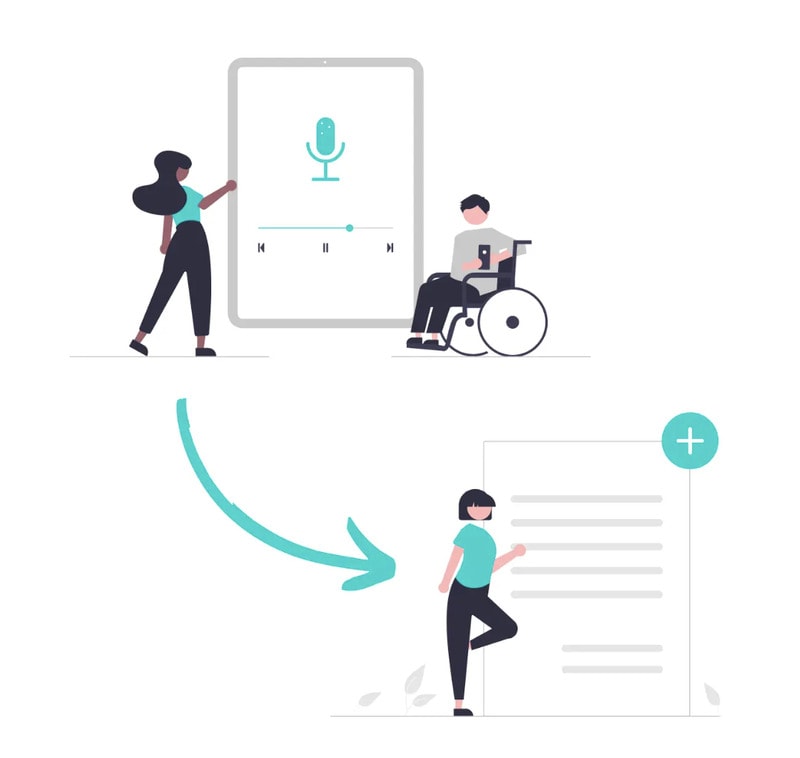
Therapy Scribe is an AI-based tool designed to support mental health professionals by automating clinical documentation. The platform generates structured clinical notes from recorded therapy sessions, reducing the need for manual note-taking after appointments.
By converting session audio into documentation, it aims to save time and improve consistency across records. From a business and operational standpoint, tools like Therapy Scribe address a common challenge in clinical practices: balancing administrative workload with client care. Automated documentation can help practices increase efficiency, standardize records, and reduce delays in completing notes. The approach reflects a growing use of AI in healthcare operations, where technology is applied to routine but time-intensive tasks. Therapy Scribe positions itself as part of this shift, focusing on workflow support rather than clinical decision-making, and integrating into existing documentation processes within therapy practices.
Image Credit: Therapy Scribe
Key Themes Behind This Trend
- AI-powered Clinical Documentation
- AI-driven platforms, like Therapy Scribe, are transforming healthcare by automating the creation of clinical documentation from therapy sessions.
- Efficiency in Healthcare Operations
- Tools that automate routine but time-consuming tasks represent a significant leap in increasing operational efficiency in healthcare settings.
- Standardization of Clinical Records
- The use of AI to create consistent and standardized clinical records is becoming a crucial trend in enhancing the quality of healthcare documentation.
Where This Applies
- Healthcare Technology
- The healthcare technology industry is rapidly integrating AI solutions to streamline administrative workloads and improve service delivery.
- Mental Health Services
- AI-based systems are providing mental health services with innovative solutions to reduce administrative burdens and focus more on patient care.
- AI Software Development
- Companies in AI software development are finding new opportunities to address the needs of healthcare providers by creating specialized applications for clinical use.