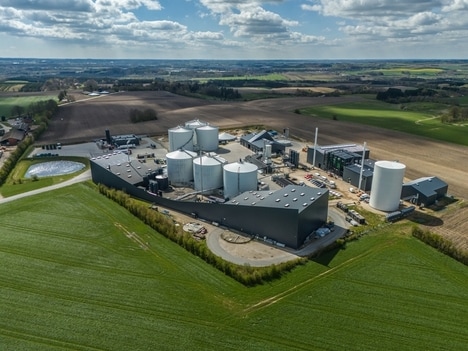

BioBTX began developing its first commercial-scale factory for the Integrated Catalytic Cracking Process, a technology designed to convert mixed plastic waste into renewable aromatic oil. The plant is expected to produce approximately 10,000 tonnes of aromatic oil annually, alongside 8,000 tonnes of sustainable by-products.
The output will contain benzene, toluene and xylenes, which can be used as drop-in chemical building blocks for applications including plastics, coatings and pharmaceuticals. BioBTX says the first facility could deliver a 70% to 80% life-cycle reduction in greenhouse gas emissions compared with conventional fossil-derived aromatics. Process-module fabrication has begun, with on-site construction planned for early 2027 and start-up targeted for mid-2028.
For manufacturers, the facility could provide another source of circular chemical feedstock while supporting recycled-content and Scope 3 emissions goals. The project also serves as a commercial-scale demonstration of BioBTX’s ICCP technology.
Image Credit: BioBTX
Why This Trend Is Growing
- Circular Aromatics
- Mixed plastic waste is becoming a viable source of benzene, toluene and xylenes, creating new pathways for lower-emission chemical inputs across high-volume manufacturing sectors.
- Catalytic Plastic Conversion
- Integrated catalytic cracking technologies are advancing beyond pilots, signaling opportunities for scalable waste-to-chemicals platforms that compete with fossil-derived feedstocks.
- Scope 3 Feedstocks
- Renewable chemical building blocks are gaining relevance as manufacturers seek materials that reduce embedded emissions while preserving compatibility with existing production systems.
Industries Being Reshaped
- Specialty Chemicals
- Drop-in aromatic oils from recycled plastics could reshape supply chains for coatings, adhesives and solvents by introducing circular alternatives to petroleum-based intermediates.
- Plastics Manufacturing
- Circular BTX production offers resin producers access to recycled-content inputs without requiring major changes to established material performance standards.
- Pharmaceutical Ingredients
- Sustainable aromatic compounds may support greener pharmaceutical synthesis as ingredient suppliers explore lower-carbon routes for essential chemical precursors.