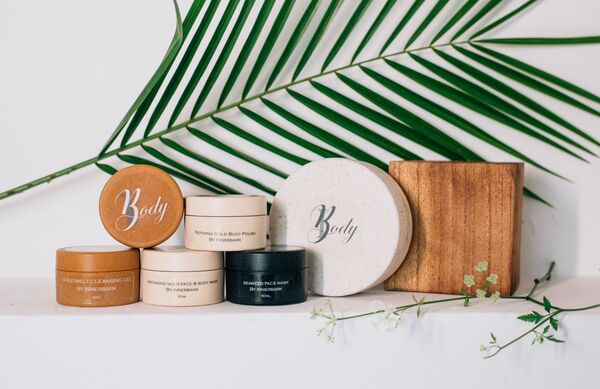


Nichola and Paul Vickers founded Innerbark in 2019 to provide consumers with eco-conscious beauty products. The husband and wife team offers clean and natural luxury beauty. The brand's affordable luxury body and skincare line have been featured in British Vogue to showcase Innerbark's innovative products.
To continue its commitment to sustainability, the emerging luxury brand partnered with Sulapac to reduce its use of plastic. Innerbark now uses the industrially compostable Sulapac Nordic Collection by Quadpack and compostable labels to ensure biodegradation of its jars. Made from FSC-certified wood chips from industrial waste streams and plant-based materials, Sulapac's packaging aligns with the brand's values. "Our mission is to replace conventional plastics completely, and the partnership with Sulapac made it possible for us," as Nichola Vickers explains.
Image Credit: Innerbark
What Makes This Trend Stand Out
- Eco-friendly Luxury Beauty Products
- Emerging luxury brands can disrupt the industry with clean and natural beauty products that are affordable and environmentally sustainable.
- Innovative Sustainable Packaging
- Partnerships with innovative biodegradable packaging companies like Sulapac can offer opportunities for businesses to reduce their ecological impact while aligning with the sustainability goals of the company.
- Composting as a Solution
- Composting packaging materials like those made by Sulapac can be a disruptive solution in reducing waste and pollution in the beauty industry.
Sectors Adopting This
- Beauty and Personal Care Industry
- Eco-friendly and sustainable beauty products and packaging options can disrupt the mainstream beauty industry by offering a more environmentally conscious alternative to consumers.
- Packaging Industry
- Partnering with sustainable packaging companies can offer opportunities for the industry to explore eco-conscious options for companies looking to shift towards more sustainable solutions.
- Waste Management Industry
- Composting packaging materials can disrupt the waste management industry by creating a need for specialized composting facilities and increasing demand for compostable materials.