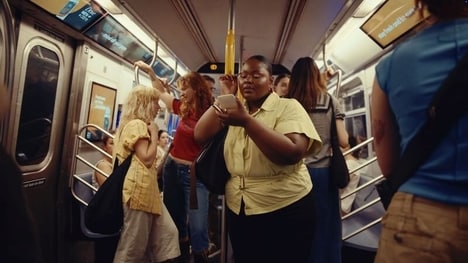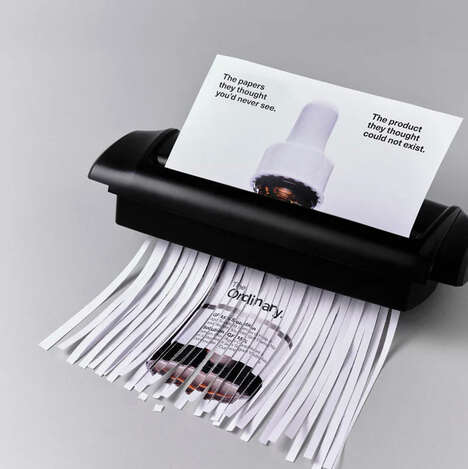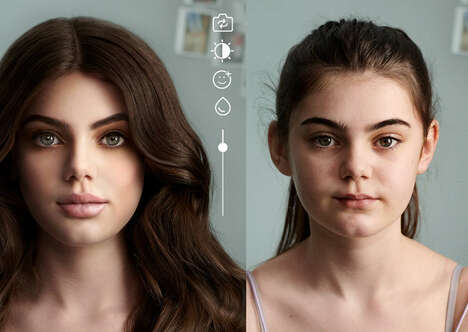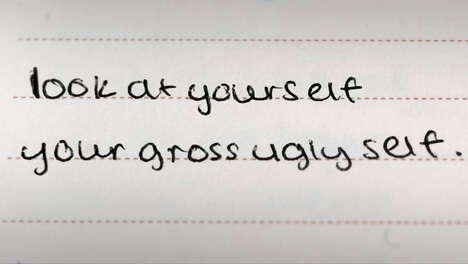

There is a big tug-of-war happening between old media and new media, in particular social media, in regards to beauty standards, which a recent campaign focusing on inner beauty addresses. Titled 'Stop the Beauty Madness,' it centers on portraits of women who have a warped sense of self-worth. Instead of focusing on inner beauty, it highlights women's thoughts on outer beauty.
For instance, one of the images starts a stunning child model who says, "What do I want to be when I grow up? Pretty." On the other end of the spectrum is an elderly woman who states, "Old isn't ugly. It's invisible." A need to encourage a focus on inner beauty has never been more necessary.
Stop the Beauty Madness invites people to create and post their own 'ads.'
Key Themes Behind This Trend
- Reimagining Beauty Standards
- The 'Stop the Beauty Madness' campaign highlights the need to rethink conventional beauty standards and focus on inner beauty.
- Empowering Self-worth
- By encouraging people to create and share their own 'ads,' the campaign promotes self-worth and individual empowerment.
- Social Media Influence
- The tug-of-war between old and new media, particularly social media, reflects the changing dynamics of beauty standards and the power of digital platforms in shaping perceptions of beauty.
Where This Applies
- Beauty and Cosmetics
- The beauty and cosmetics industry can leverage the call for reimagining beauty standards to develop inclusive and empowering products and campaigns.
- Digital Advertising
- Digital advertisers can capitalize on the influence of social media by creating platforms and strategies that promote self-worth and positive body image.
- Media and Entertainment
- Media and entertainment companies can explore the potential of showcasing diverse representations of beauty to challenge societal norms and foster inclusivity.