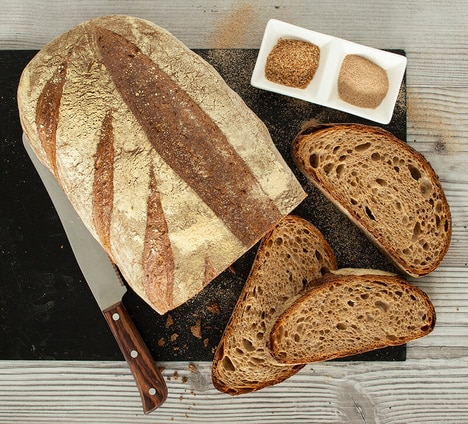
Located in Montreal's west end, la Meunerie Urbaine is an artisanal bakery that engages consumers with nutritious loaves and the grains are subject to a special in-house milling technique. The business was founded by Martin Falardeau who believes that "nutritious means using the whole grain, with the germ inside." Thus, milling flour is a "daily ritual" for the bakery.
The grains — from wheat to spelt and rye, are sourced locally and the in-house milling occurs in the mornings as la Meunerie Urbaine prepares for the next day's baking. The mill itself has a wooden silhouette and the contents are stone-ground, which enables them to "conserve more of the plant's nutrition."
Bakeries that enable in-house milling deliver an enhancement in consumer experience as they bring forth a valued artisanal feel.
Image Credit: la Meunerie Urbaine, Facebook @Brot Bakehouse School and Kitchen - Brotbakery
What's Driving This Trend
- In-house Milling Practices
- Bakeries can incorporate in-house milling techniques to provide nutritious baked goods and an enhanced consumer experience.
- Local Sourcing
- Bakeries can source locally grown and produced ingredients, including grains, to provide a more sustainable and community-focused business model.
- Stone-ground Milling
- Stone-ground milling allows for the retention of more plant nutrition, making it a desirable practice for bakeries looking to incorporate healthy and wholesome ingredients.
Who This Affects Most
- Bakery
- Bakeries can adopt in-house milling and locally sourced ingredients to provide unique and nutritious baked goods.
- Agriculture
- Local farmers and grain growers can benefit from partnering with bakeries and providing high quality, locally sourced grains.
- Sustainability
- Adopting sustainable and community-focused practices, such as locally sourcing ingredients, can benefit the bakery industry as a whole by reducing environmental impact and supporting local businesses.