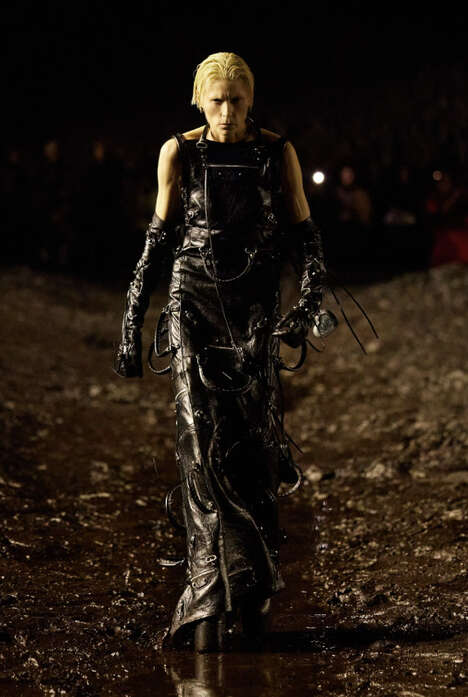
During Paris Fashion Week, high fashion label Balenciaga introduces its Spring/Summer 2019 collection in an immersive digital environment. The hyper-futuristic runway boasts narrow curved tunnels with semi-reflective flooring. The mode of presentation is a subtle commentary on how technology affects the human agent.
To add a sense of dystopian artistry, Balenciaga utilizes the digital installations of Canadian creative Jon Rafman. Throughout the Spring/Summer 2019 presentation, the immersive digital environment shifted its images, producing different realities that included "digital renderings of ocean waves, [...] bright red volcanic lava," computer matrixes and more.
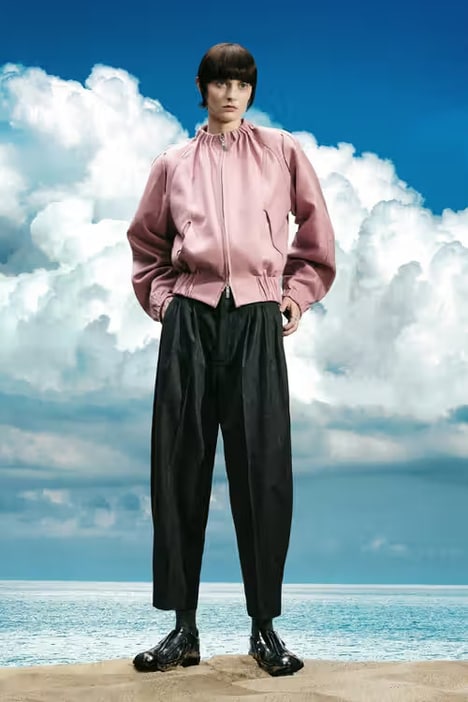
Balenciaga's silhouettes were described by the label's creative director as "neo-tailored." With a next-generation approach to fashion, the hyper-futuristic immersive digital environment brought together set design and high fashion.
Photo Credits: Monica Feudi / Indigital.tv, Dezeen
What's Driving This Trend
- Immersive Digital Environments
- The use of immersive digital environments in fashion presentations can create a unique and futuristic experience for consumers.
- Dystopian Artistry
- Incorporating dystopian artistry into fashion shows can enhance the overall aesthetic and storytelling of a collection.
- Neo-tailored Fashion
- Fashion brands that embrace a neotailored approach can create innovative and modern silhouettes that appeal to the next generation.
Who This Affects Most
- Fashion
- The fashion industry can leverage immersive digital environments and dystopian artistry to create innovative and captivating runway experiences.
- Technology
- Technology companies can collaborate with fashion brands to develop immersive digital installations that push the boundaries of creativity and user experience.
- Art and Design
- Artists and designers specializing in dystopian artistry can find opportunities to collaborate with fashion brands to create visually stunning and thought-provoking runway presentations.