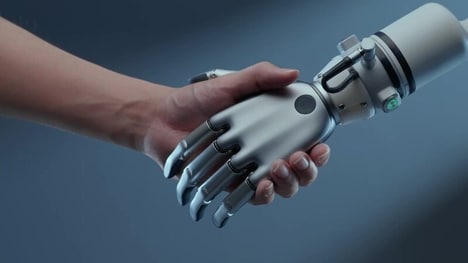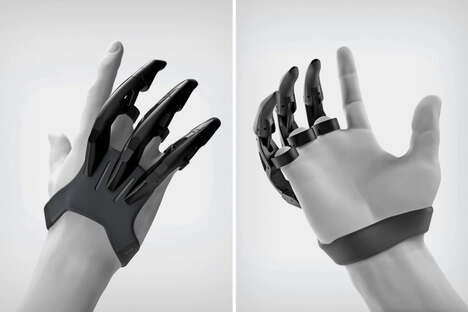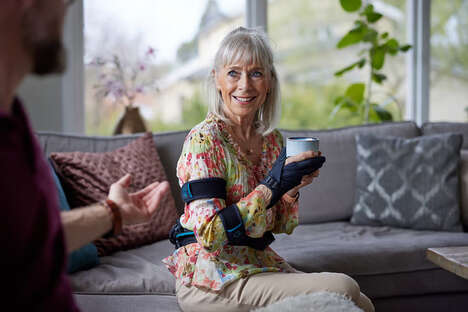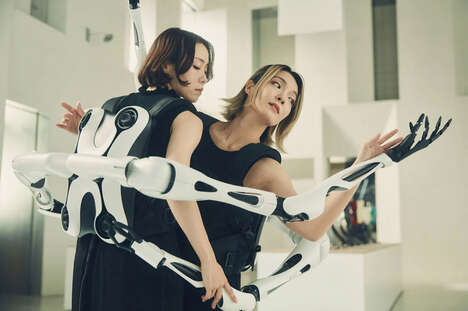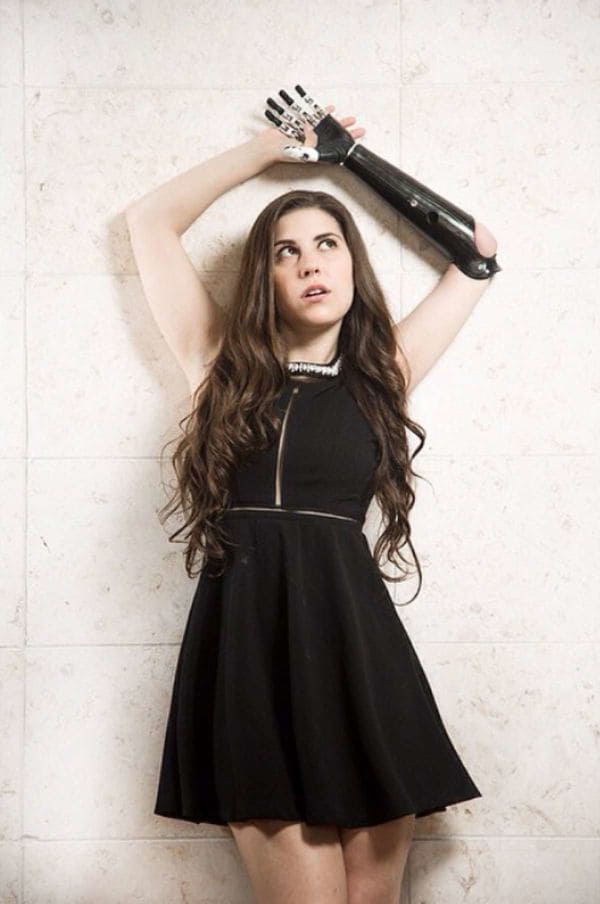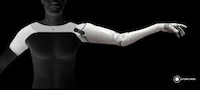


The i-limb Ultra Revolution is described by developer Touch Bionics as ""the most advanced and versatile prosthesis available," claiming that it "offers more dexterity and moves more like a natural hand than any other powered prosthetic hand."
The i-limb Ultra Revolution allows users to program different kinds of grip types triggered by different muscle movements. This is made possible by the incorporation of 'grip chips,' Bluetooth-enabled devices that can be attached to objects and trigger a pre-programmed grip configuration when detected by the device. For example, a Grip Chip can be attached to a computer keyboard to initiate a grip pattern suitable for typing.
The i-limb Ultra Revolution comes with accompanying iOS and Android apps, while the device itself has a conductive surface that enables it to be used with touch-screen devices.
What's Driving This Trend
- Advanced Prosthetics
- The development of advanced prosthetic technology is disrupting the traditional limb replacement industry by providing more dexterity and mobility than ever before.
- Smart Prosthetics
- The integration of technology, such as Bluetooth and touch-screen compatibility, into prosthetic limbs is creating disruptive innovation opportunities for smart prosthetics.
- Personalized Prosthetics
- The ability for users to program different types of grip patterns and movements into their prosthetic limbs is disrupting the one-size-fits-all approach to traditional prosthetics.
Who This Affects Most
- Healthcare
- Advanced prosthetic technology and the integration of smart technology into prosthetic limbs are disrupting the traditional healthcare industry by providing a more personalized approach to limb replacement.
- Technology
- Smart prosthetics are disrupting the technology industry by merging traditional prosthetic technology with advanced technological capabilities such as Bluetooth and touch-screen compatibility.
- Manufacturing
- The development of personalized prosthetic technology is shaking up the manufacturing industry by requiring new production processes and the ability to create customized prosthetic limbs for each individual user.