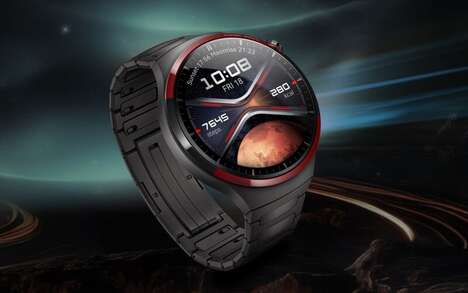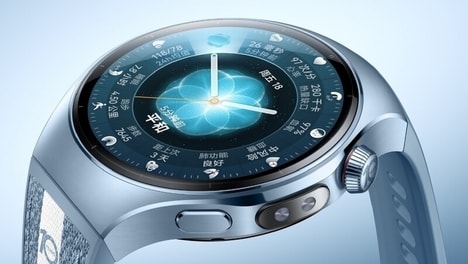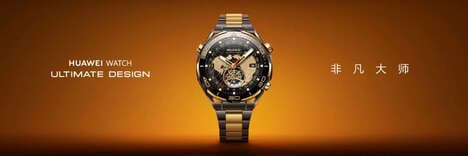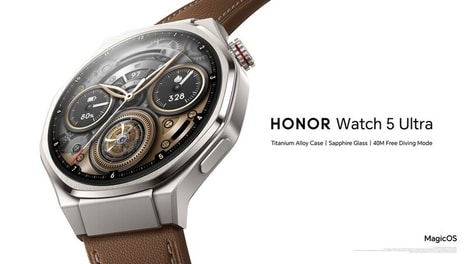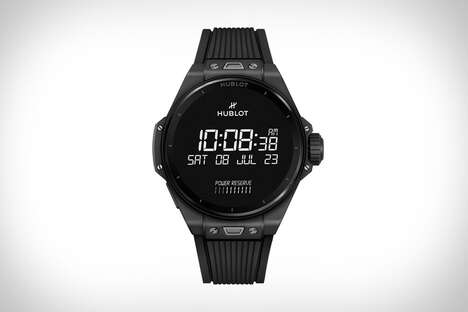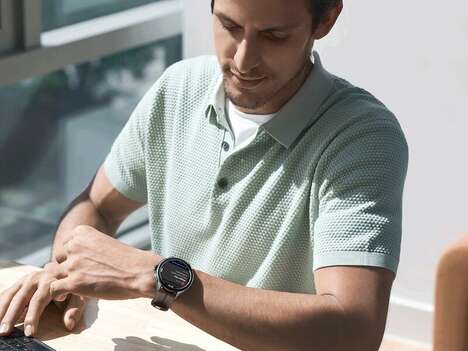


The divide between traditional watch wearers and smartwatch users is shrinking thanks to new products like the Huawei WATCH GT3 Pro. The wearable draws design inspiration from high-end luxury timepieces with a round face and crown, while the use of premium materials like titanium and ceramic help to reinforce this notion. The 46mm Titanium Edition boasts a 1.43-inch AMOLED display, while the Ceramic Edition comes in slightly smaller with a 1.32-inch AMOLED display.
The Huawei WATCH GT3 Pro smartwatches are finished with sapphire glass crystal for enhanced durability and are rated for wear in water up to 30-meters. The Titanium Edition will offer up to 14-days of use per charge, while the Ceramic Edition will offer seven with regular daily use.
What's Driving This Trend
- Luxury-inspired Wearables
- Developing smart wearables that resemble traditional luxury timepieces by using high-end materials can bridge the gap between traditional watch wearers and smartwatch users.
- Durable Smartwatches
- Incorporating sapphire glass crystal and water-resistant technology into smartwatches can enhance their durability and appeal to consumers.
- Long-lasting Batteries
- Offering longer battery life in smartwatches can improve their convenience for users and set them apart from competitors.
Who This Affects Most
- Consumer Electronics
- Companies specializing in consumer electronics can innovate by incorporating luxury design elements and materials into smart wearable devices.
- Watchmaking
- Watchmakers can expand their product lines by creating smartwatches that incorporate their traditional design elements while adding technology features.
- Outdoor Sports
- Developing water-resistant and durable smartwatches can target consumers in the outdoor sports industry who need devices that can perform in rugged environments.