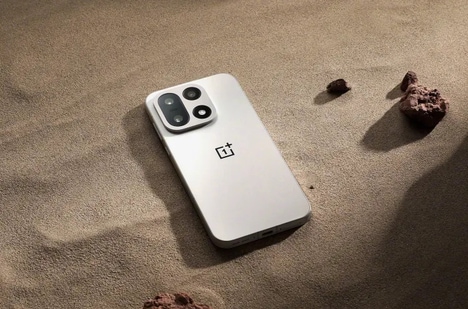

OnePlus is prepping the Ace 7 and Ace 7 Pro for China with a display tuned for both daily navigation and gaming. It runs at 165Hz across the interface and climbs to 185Hz in supported games.
The screen is a BOE-built fourth-generation panel also used in the OnePlus 16, giving the Ace phones flagship-level screen hardware across basic tasks as well as play. Bright Eyes Protection is there to ease strain during longer sessions. Reservations are open through OnePlus' official online store ahead of the October 29 debut in China.
China reservations ahead of the October 29 debut put display smoothness at the center of early buying decisions. A system-wide high refresh rate widens the pitch beyond mobile gamers and turns everyday use into a feature buyers can notice before they even open a game.
Image Credit: OnePlus
Why This Trend Is Growing
- Extreme-refresh Mobile Displays
- Smartphone makers are pushing refresh rates beyond gaming niches, creating room for premium differentiation around visibly smoother everyday navigation and entertainment.
- Gaming Features for Everyday Use
- Performance technologies once reserved for hardcore mobile gaming are becoming mainstream purchase drivers as brands translate speed, responsiveness, and comfort into daily value.
- Eye-comfort Performance Screens
- Advanced display panels that combine ultra-fast refresh with strain-reduction features point to new device experiences built around longer, healthier usage sessions.
Industries Being Reshaped
- Smartphones
- Flagship-grade panels in mid-to-premium devices are reshaping competition around screen performance as a primary signal of device quality.
- Mobile Gaming
- Higher refresh support in select games creates incentives for developers, publishers, and hardware brands to build more immersive, latency-sensitive mobile experiences.
- Display Technology
- Panel suppliers gain strategic relevance as proprietary high-refresh, eye-protection, and power-efficiency innovations become central to consumer electronics differentiation.