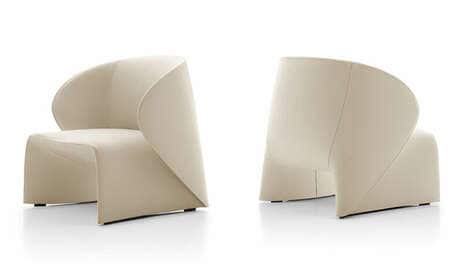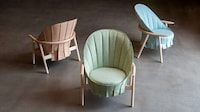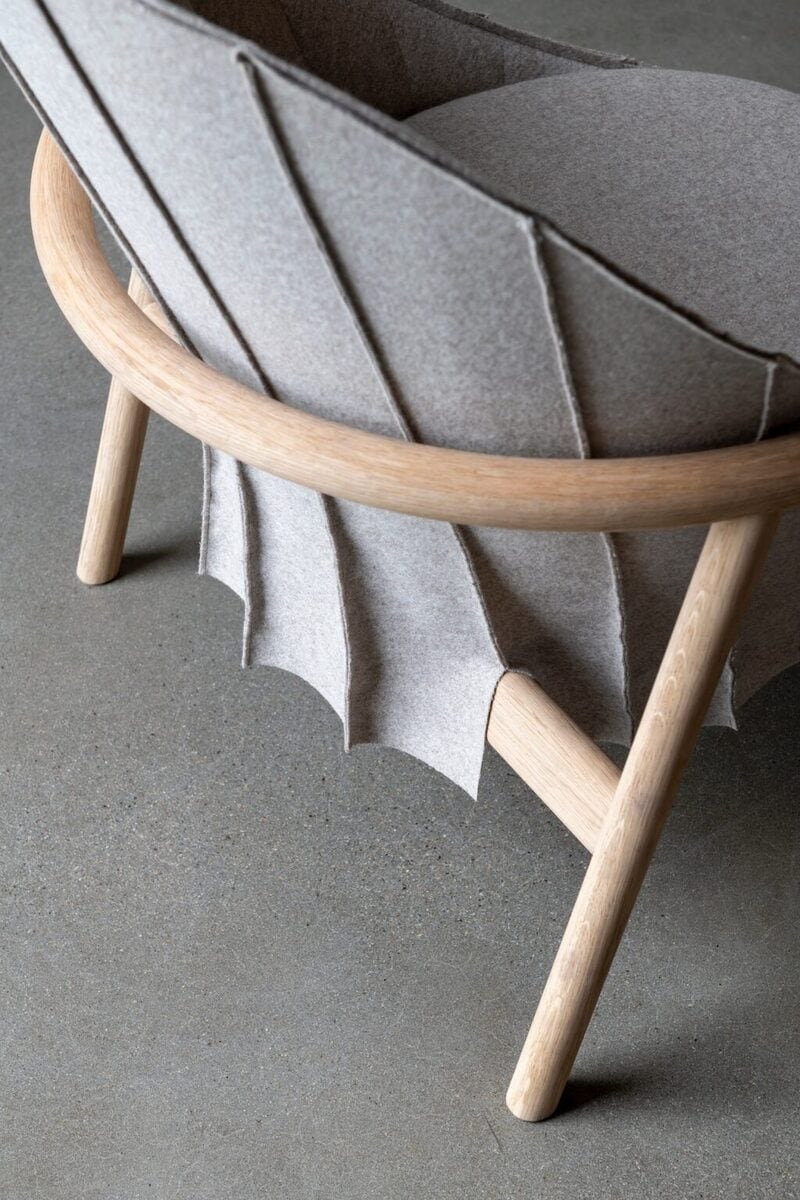
The HidaHida chair is made by architect Kengo Kuma and Swedish furniture imprint as the two reimagine a cross-cultural balance blending elements of craftsmanship, form, and materiality. The chair is finished in upholstery with inspiration from the Japanese word 'hida,' which means to drape. It falls like a tailored apparel which is effortlessly structural and soft.
The architect has always been drawn to the co-owner of Gärsnäs, Åke Axelsson's work. Kuma notes, “With HidaHida, I wanted to capture the softness of the human body’s form. Often the backs of chairs are hard, but here the felt is light and comfortable. The chair embraces you. A hanging skirt at the back elevates the chair’s conviviality and associates it with elegance and fashion. That’s what I wanted to express with HidaHida.”
Image Credit: Gärsnäs, Kengo Kuma
Why This Trend Is Growing
- Cross-cultural Furniture Design
- The fusion of different cultural design elements in furniture offers a unique selling proposition that caters to consumers looking for more than just functional pieces.
- Soft-structured Upholstery
- An emphasis on soft yet structurally sound upholstery marks a shift in consumer preference towards comfort without sacrificing aesthetics.
- Fashion-influenced Interiors
- The integration of fashion-forward elements into home furniture design blurs the line between living spaces and apparel, appealing to style-conscious homeowners.
Industries Being Reshaped
- Furniture Design
- There's room for innovation in mixing traditional craftsmanship with modern design concepts to create distinctive furniture pieces.
- Home Decor
- The evolving tastes in home decor call for items that offer both high fashion and comfort, influencing purchasing decisions.
- Textile Manufacturing
- Opportunities arise in developing fabrics that balance strength and softness, catering to new applications in sophisticated furniture design.