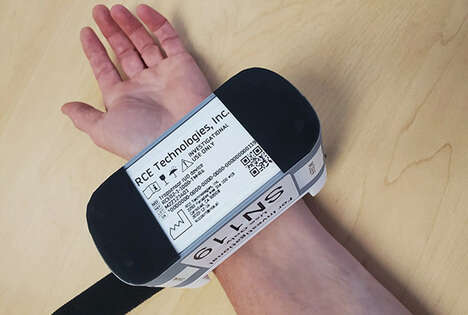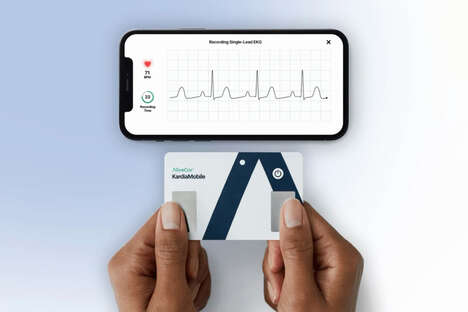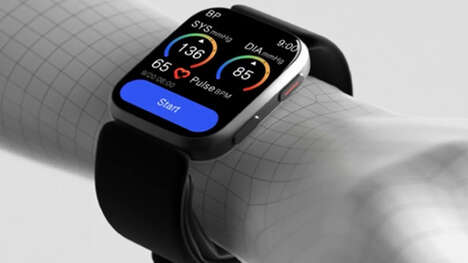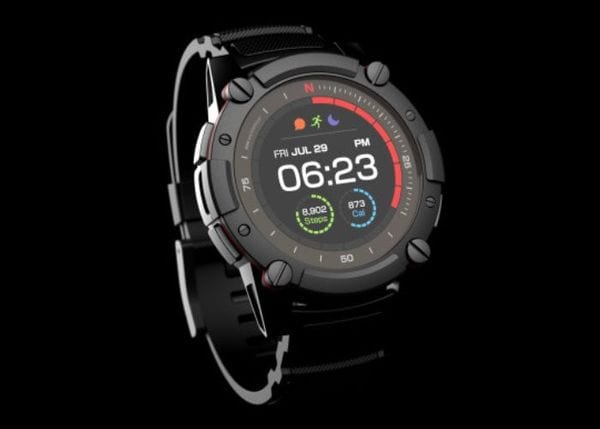
A team of scientists located in Lithuania and Sweden have collaborated to invent a high-tech heart-monitoring watch that is designed to detect some of the early signs of atrial fibrillation, a condition comprised of irregular heartbeats.
This heart-monitoring watch uses an array of sensors that work to detect changes in blood volume as well as the heart's electrical activity. When these measures veer away from expected levels, the device issues a vibration to detect its wearer so that they can contact their doctor.
Atrial fibrillation isn't merely the most common variety of heartbeat irregularity, it's also a condition that can lead to far more severe outcomes such as strokes and even death, which is why this sensor-laden wristwatch is poised to be a truly lifesaving invention.
What Makes This Trend Stand Out
- Health Wearables
- Innovative wrist-worn cardiac monitors like this heart-monitoring watch are revolutionizing health monitoring and early detection of medical conditions.
- Remote Patient Monitoring
- The use of wearable devices equipped with sensors and connectivity enables remote monitoring of patients' health, improving access to care and reducing healthcare costs.
- Personalized Medicine
- Advancements in wearable heart-monitoring technology pave the way for personalized treatment and individualized care plans based on real-time data and alerts.
Sectors Adopting This
- Healthcare
- The healthcare industry can leverage wrist-worn cardiac monitors to enhance patient care, enable remote monitoring, and facilitate early detection of medical conditions.
- Wearable Technology
- The wearable technology industry has a disruptive innovation opportunity in developing advanced sensors and connectivity solutions for health monitoring devices.
- Medical Device Manufacturing
- Manufacturers of medical devices can explore the production of wrist-worn cardiac monitors to address the growing demand for innovative health monitoring solutions.