Monacoeur is testing a login method that lets people prove who they are with a heartbeat instead of a password or face scan. The Monaco startup built the biometric system to read cardiac rhythms through high-frequency sensors, with AI checking whether the pattern matches the user.
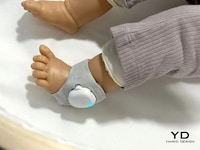
Its sensors capture cardiac activity at 1,000 Hz, giving the software a detailed pattern to compare during sign-in or a transaction. Monacoeur has already turned the tech into prototype bracelets used by several French banks, showing how the concept can move from controlled testing into everyday payment approval.
For brands, this opens room for access and payment systems that add a harder-to-copy body cue without asking users to learn a new routine. In security-heavy settings such as banking, password and face-based check-ins now have a wearable alternative. That keeps the format close to devices people already wear.
Image Credit: Shutterstock/DadBusiness
What's Driving This Trend
- Heartbeat Authentication
- Cardiac rhythm verification introduces a harder-to-replicate biometric layer that could reshape secure logins, approvals, and identity checks across high-trust digital services.
- Wearable Payment Security
- Sensor-equipped bracelets can turn everyday accessories into continuous authentication tools for transactions, reducing reliance on passwords, PINs, or facial scans.
- AI Biometric Matching
- High-frequency physiological data paired with AI matching creates new possibilities for personalized security systems that distinguish users through subtle, unique body signals.
Who This Affects Most
- Banking
- Financial institutions can integrate heartbeat-based verification into payment approvals and account access, creating more seamless authentication for fraud-sensitive environments.
- Wearable Technology
- Device makers gain a pathway to differentiate smart bracelets and accessories through embedded identity verification rather than only health tracking or notifications.
- Cybersecurity
- Authentication providers may expand beyond conventional biometrics with cardiac-pattern systems that strengthen identity assurance for enterprise, consumer, and regulated platforms.