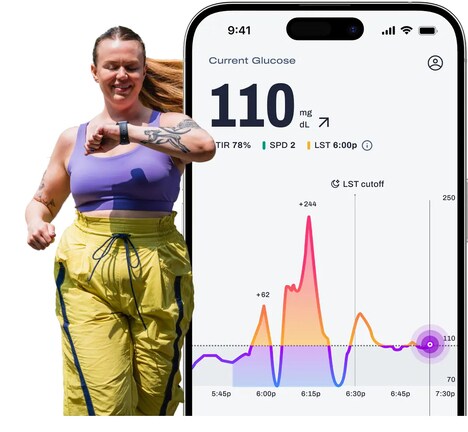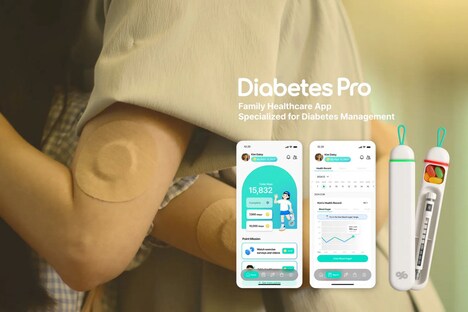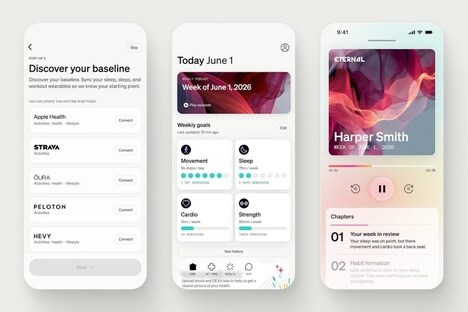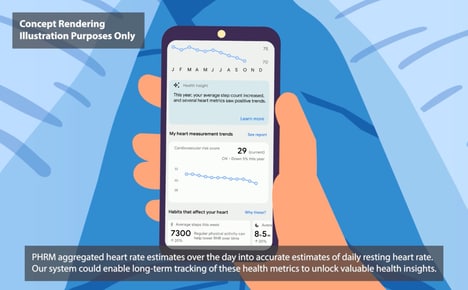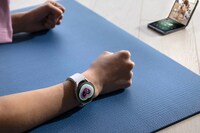

Amae Health partnered with Google Health Enterprise to integrate wearable-derived health signals into its care model for patients with complex mental health conditions. The system brings data including sleep patterns, physical activity, heart-rate variability and changes in daily routines from Fitbit devices and the Google Health app into Amae’s clinical workflows.
The information gives care teams additional context on how patients are functioning between appointments and can help clinicians identify changes that may precede clinical deterioration. Amae plans to combine these behavioral signals with existing clinical information and is also developing a composite mental health score incorporating biomarkers, EEG data, voice analysis and medication response.
For patients, the integration could support earlier intervention and more continuous monitoring outside scheduled visits. The approach reflects growing use of passive digital biomarkers to make mental health care more proactive and data-informed.
Image Credit: Amae Health
What's Driving This Trend
- Passive Digital Biomarkers
- Wearable-derived signals such as sleep, activity and heart-rate variability are creating new pathways for continuous mental health assessment beyond traditional clinical visits.
- Proactive Mental Healthcare
- Data-informed care models are shifting psychiatric support toward earlier detection of patient deterioration and more timely intervention between appointments.
- Composite Health Scoring
- Multimodal inputs including biomarkers, EEG, voice analysis and medication response are enabling more nuanced tools for tracking complex mental health conditions.
Who This Affects Most
- Digital Health
- Connected platforms that integrate wearable data into clinical workflows are expanding opportunities for personalized monitoring and longitudinal patient insights.
- Mental Healthcare
- Complex psychiatric care is being reshaped by passive monitoring systems that give clinicians greater visibility into day-to-day functioning.
- Wearable Technology
- Consumer devices are gaining clinical relevance as health systems use routine behavioral and biometric data to support preventative care models.