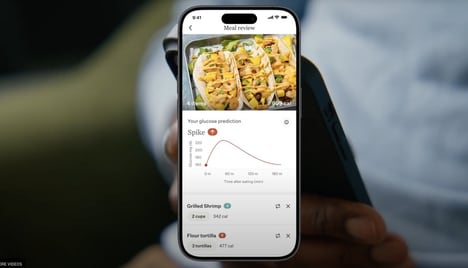
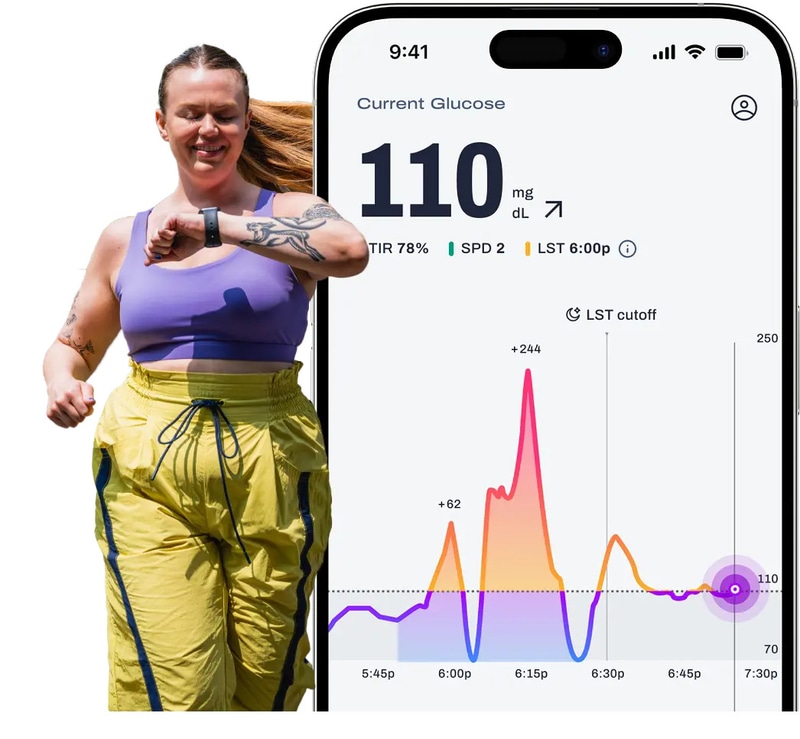
Consumer metabolic intelligence is expanding the role of health tracking from simple activity monitoring to real-time biological feedback. Platforms like Signos combine continuous glucose monitoring with artificial intelligence to help users understand how food, exercise, sleep, and daily habits influence metabolic responses. Rather than relying on generalized wellness recommendations, these systems deliver personalized insights based on individual biometric data, supporting more informed lifestyle decisions and long-term weight management.
The broader impact reflects increasing demand for personalized health tools that move beyond one-size-fits-all approaches. Healthcare providers, insurers, and technology companies are investing in platforms that support preventive care and long-term behavior change. As biometric tracking becomes more accessible, data-driven wellness solutions may create new opportunities to improve health outcomes, increase consumer engagement, and reduce costs associated with chronic metabolic conditions.
Image Credit: Signos
Why This Trend Is Growing
- Real-time Metabolic Feedback
- Continuous glucose data paired with AI enables wellness platforms to translate daily behaviors into personalized biological insights for weight management and preventive health.
- Personalized Preventive Wellness
- Rising consumer interest in individualized health guidance is expanding the market for tools that connect biometric signals with long-term lifestyle improvement.
- AI-powered Nutrition Coaching
- Algorithmic interpretation of food, sleep, exercise, and glucose patterns creates new potential for adaptive coaching experiences that move beyond generalized diet plans.
Industries Being Reshaped
- Digital Health
- Biometric tracking platforms are reshaping digital care by linking consumer wellness engagement with preventive intervention and chronic condition management.
- Health Insurance
- Insurers have growing interest in metabolic intelligence systems as data-driven wellness programs may support risk reduction, member engagement, and lower long-term care costs.
- Wearable Technology
- The evolution of sensor-enabled devices toward deeper biological monitoring broadens opportunities for connected hardware, subscription analytics, and personalized health ecosystems.