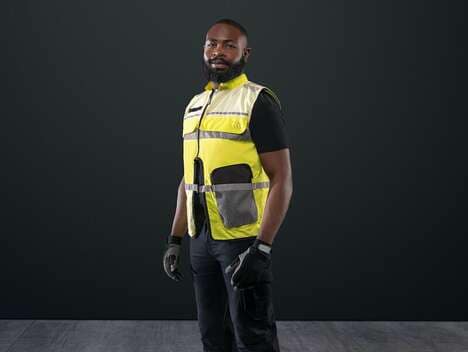


Neuroscientist David Eagleman has created a new wearable device that helps those with hearing impairments to understand sound. Unlike other sensory substitution systems such as braille and sign language, this new piece of wearable technology creates a whole new sense entirely.
The wearable device is called 'VEST,' which is an acronym for Versatile Extra-Sensory Transducer. Equipped with 48 transducers and motors, the VEST functions by converting external sounds into vibrations that the wearer can physically feel on their back and chest. The VEST is able to pick up spoken words as well as ambient noises, which allows the wearer to experience the entire soundscape of the world around them.
Currently the technology is being tested on a 37-year-old deaf man, who was able to unlock the code-less language of the vibrations after only five days. While the VEST is only a prototype, the technology may prove to be beneficial for many people who suffer from hearing impairments.
Why This Trend Is Growing
- Wearable Sensory Substitution
- The development of new wearable technology creates the opportunity to create entirely new senses and enhance human perception.
- Vibrational Feedback
- Vibration-based feedback technology offers a potentially disruptive innovation opportunity for improving human sensory experiences.
- Human Augmentation Through Wearables
- As wearable technology continues to advance, there is a growing opportunity for human augmentation through innovative design and sensor integration.
Industries Being Reshaped
- Medical Devices
- This sensory substitution technology has potential applications in the medical industry for those with hearing impairments or other sensory disabilities.
- Consumer Electronics
- Wearable technology and innovations in sensory substitution could lead to new consumer electronics products and design.
- Assistive Technology
- VEST-like technology has the potential to disrupt the assistive technology market and assist those with sensory disabilities in their daily lives.