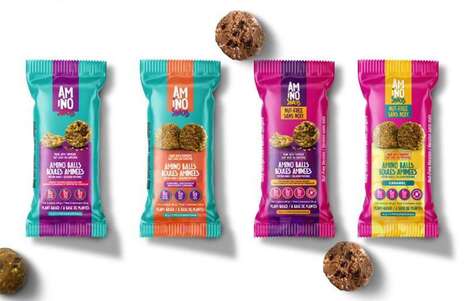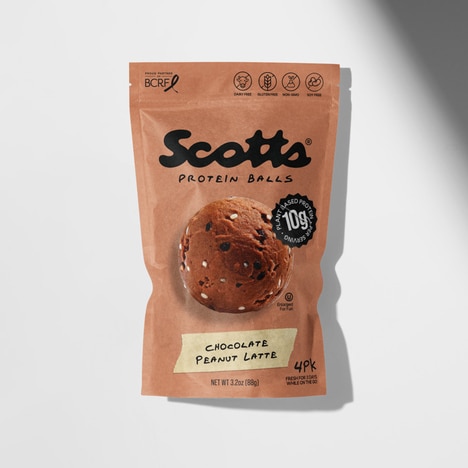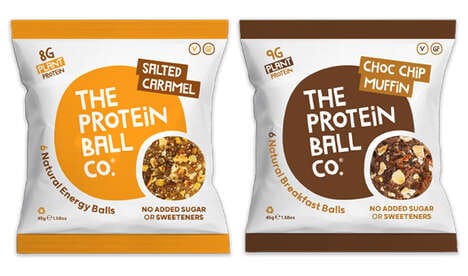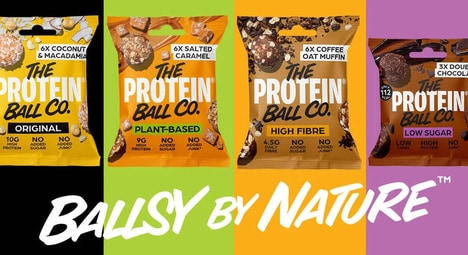
BuckWHAT's 'Noshes' are healthy snack ball treats that come in enticing flavors like Crunchy Peanut and Cocoa. As their names suggest, gluten-free buckwheat is a main ingredient, alongside a variety of other organic superfood ingredients like dates, chia seeds, nuts and flavorful spices. By ingredient, the snack balls are non-GMO, vegan and free from added sugars, which will appeal to foodies and health-conscious consumers alike.
BuckWHAT also makes an assortment of other buckwheat-based products, including crunchy granola clusters and a compact snack bar.
As of late, many brands have been featuring buckwheat as a main ingredient in their food products, especially as the ancient grain has come into the spotlight as a nourishing option for those who are bothered by celiac disease or a gluten intolerance.
What Makes This Trend Stand Out
- Buckwheat-based Snacks
- The rise of buckwheat-based snacks presents opportunities for brands to tap into the market of health-conscious consumers looking for gluten-free and organic options.
- Superfood Snack Balls
- The popularity of superfood snack balls, like BuckWHAT's 'Noshes', highlights the demand for convenient, nutritious and flavorful snacks that are free from added sugars and artificial ingredients.
- Alternative Grain Products
- The increasing use of alternative grains, such as buckwheat, in food products provides an opportunity for brands to offer gluten-free and nutrient-rich options to cater to individuals with dietary restrictions.
Sectors Adopting This
- Snack Food Industry
- The snack food industry can capitalize on the trend of buckwheat snack balls to create innovative and healthy snack options that satisfy the growing demand for gluten-free and organic snacks.
- Health Food Industry
- The health food industry can benefit from the rise of superfood snack balls by developing and marketing nutritious and convenient snack options for consumers seeking healthier alternatives to traditional snacks.
- Grain and Cereal Industry
- The grain and cereal industry can leverage the popularity of alternative grain products, like buckwheat, to create a diverse range of gluten-free products that appeal to consumers with specific dietary needs and preferences.