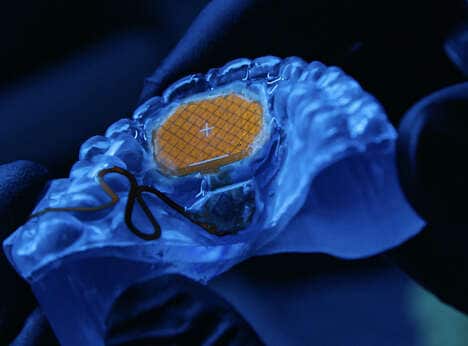
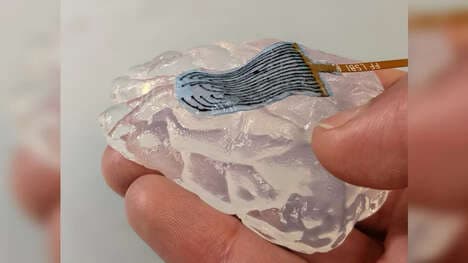
Researchers have developed a new way of Twittering using only the brain and a visual interface. The method is especially useful for those with spinal cord damage or other type of physically incapacitating disability.
While the communication technique will win no awards for speed, it is effective and transparent. A person with a disease such as ALS could communicate with someone through Twitter and no one would even know the person was disabled.
What makes this technology even more appealing is the fact that it lends itself more to use in the home than in the lab.
This is a great use of technology that non-trivializes something so many people take for granted.
Key Themes Behind This Trend
- Brain Interface Communication
- Opportunity for disruptive innovation in developing brain interfaces for communication purposes, enabling disabled individuals to interact with others through social media platforms.
- Accessibility Technology
- Opportunity for disruptive innovation in creating accessible technologies that empower individuals with disabilities to actively participate in online social networks.
- Seamless Home Integration
- Opportunity for disruptive innovation in integrating brain-controlled communication systems into home environments, providing convenience and independence to disabled individuals.
Where This Applies
- Assistive Technology
- Assistive technology industry can leverage brain interface advancements to create innovative solutions for individuals with disabilities to connect with the world using social media.
- Healthcare Technology
- Healthcare technology industry can explore the application of brain-controlled communication systems to improve the quality of life for patients with physical incapacitating disabilities.
- Social Media
- Social media industry can tap into brain interface technology to provide inclusive and accessible platforms for individuals with disabilities to actively engage in social networking.