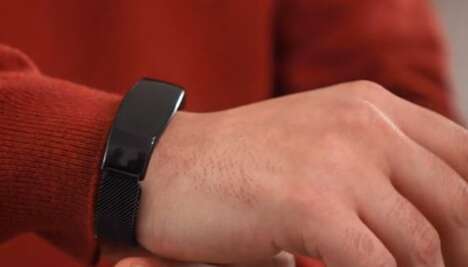
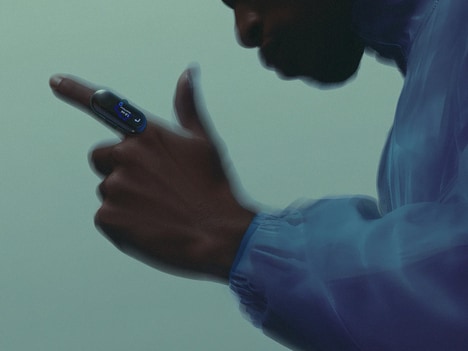
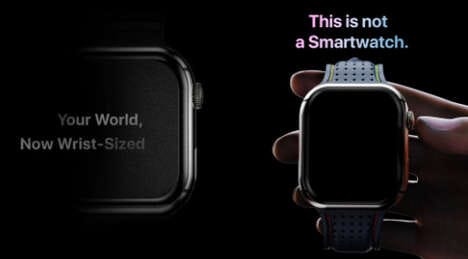
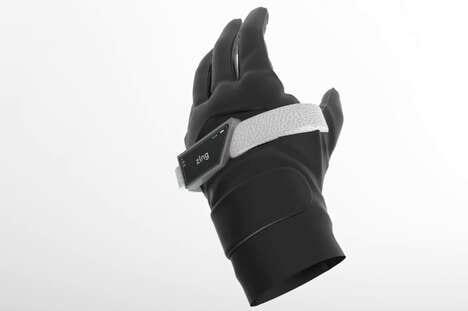
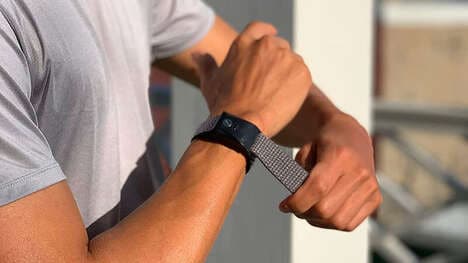
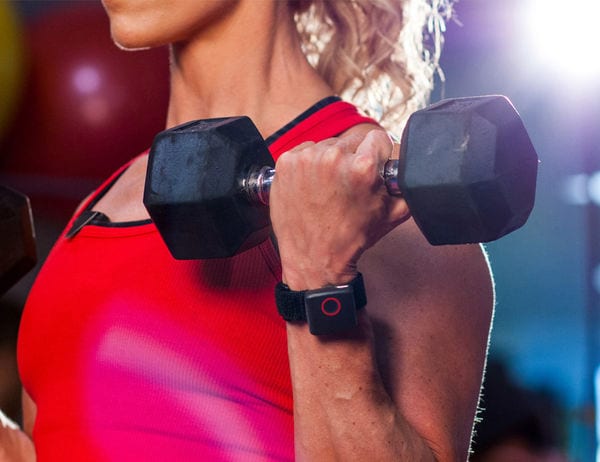
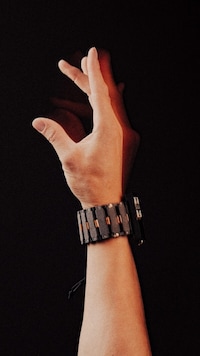
The age of wearable technology is upon the world and one of the more exciting devices is the Haloband. The Haloband is a bracelet that is meant to be used to control the wearer's smartphone. It does so through a series of taps and wrist movements. Taking convenience to another level, with the Haloband, people won't have to dig in pockets and bags whenever they need their phone.
Created by a team based in Shanghai, China, the Haloband works with a companion app that must be downloaded onto the smartphone. Once that is in place, the Haloband can be tapped to take a photo, send current location or even call the first person in a contacts list. The Haloband also unlocks phones by tapping it on the screen.
Key Themes Behind This Trend
- Wearable-controlled Devices
- There is a growing trend towards wearable technology that controls devices with simple movements, presenting opportunities for disruptive innovation in the field of wearables.
- Hands-free Technology
- The Haloband bracelet offers a hands-free way to control smartphones and other devices, indicating a trend towards more convenient and intuitive methods of interaction.
- Gesture-based Interfaces
- The use of taps and wrist movements to control devices like the Haloband bracelet suggests a trend towards more natural and intuitive gesture-based interfaces.
Where This Applies
- Consumer Electronics
- The Haloband bracelet is disrupting the consumer electronics industry by offering a new way to control smartphones and other devices.
- Wearable Technology
- As an example of wearable-controlled devices, the Haloband bracelet is driving innovation in the wearable technology industry and presenting new opportunities for growth.
- Mobile Applications
- The companion app for the Haloband bracelet is a key component of its functionality, suggesting opportunities for disruptive innovation in the mobile applications industry.