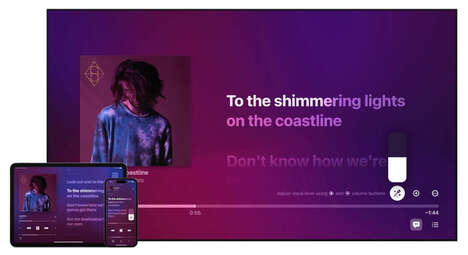
With the help of YouTube, the Google translation app can now be applied to music lyrics.
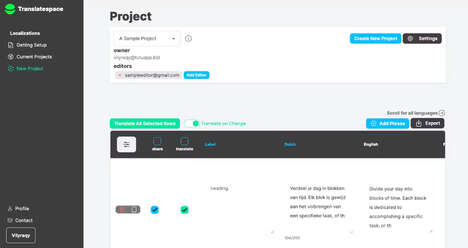
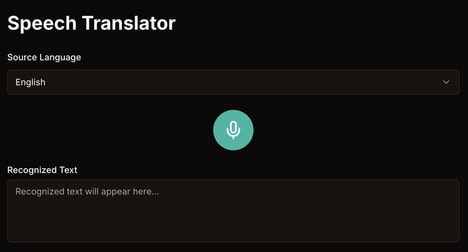
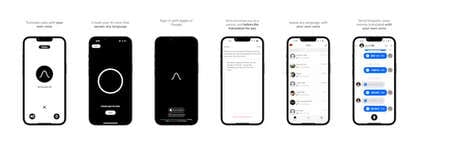
Traditionally, the Google translation app is used for translating text from one language to another. Users simply input the foreign language in one field, select the language they speak in the other field and are delivered a translation.
Although music is said to be a universal language, the fact is that lyrics are a major part of the equation. And while fans across the world enjoy popular music (much of which is in English), they don't always get the opportunity to understand what exactly the artists are saying. With this new extension of the Google translation app, titled Google Music Translate, there's no reason for any lyrics to get lost in translation.
Not only does this service translate the words of a song into your native tongue, it also reads them to you as the song's track plays.
What's Driving This Trend
- Multilingual Music Apps
- Opportunity for music streaming services to integrate translation systems to help listeners understand lyrics in different languages.
- AI Language Learning
- There is an opportunity for AI-powered language learning platforms to include music translation as part of their language courses.
- Augmented Reality Translation for Music Lyrics
- There is potential for AR technology to translate lyrics in real-time as users attend live concerts in different countries.
Who This Affects Most
- Music Streaming Services
- Music streaming companies can offer users access to translated lyrics to improve user experience and engagement.
- Language Translation Services
- Language translation service providers can develop specialized solutions for music translation.
- Augmented Reality Industry
- AR developers can capitalize on the trend of music translation by integrating translation systems into their live concert experiences.