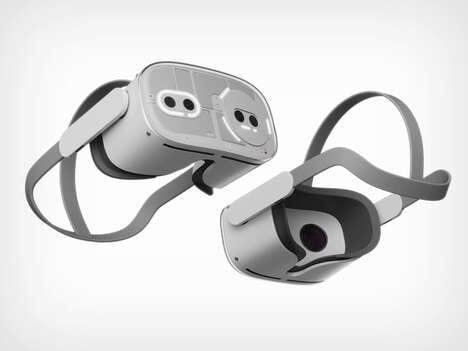
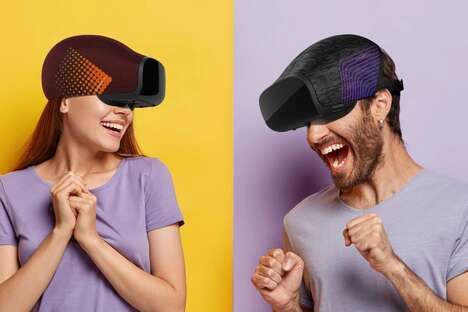
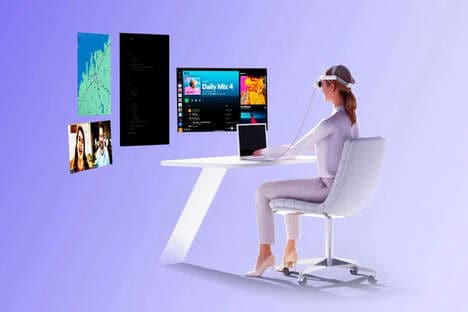
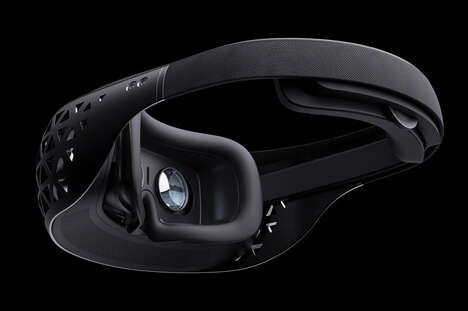
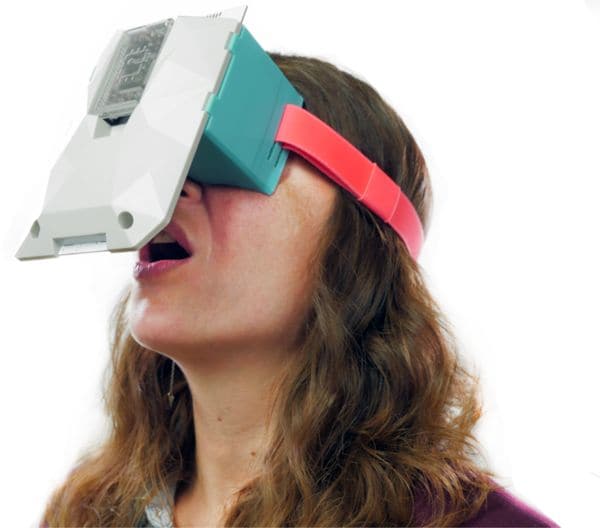
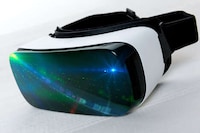
Google Cardboard is a new device from the massive company that is extremely economical and surprisingly simplistic coming from such a complex brand. The design is made from cardboard, and is a headset that attaches to one's smartphone.
Although people can buy the device for a low cost, they can also simply make this themselves. After eating a pizza on a Friday or Saturday, one can take the cardboard, download the files from the site and try their hand at putting together this DIY virtual reality headset. However, I would not recommend putting the device on while walking around outside. For one, you could run into numerous objects, and two, it does look a bit out of place.
Photo Credits: designboom, developers.google
Key Themes Behind This Trend
- Simplistic Virtual Reality
- The trend of creating affordable and user-friendly virtual reality experiences using simple materials like cardboard opens up opportunities for disruptive innovation in the VR industry.
- DIY Virtual Reality
- The trend of providing instructions and resources for users to create their own virtual reality headsets at a low cost enables innovative DIY and maker communities to explore new possibilities in VR technology.
- Mobile VR
- The trend of leveraging smartphones as the primary platform for virtual reality experiences creates opportunities for disruptive innovation at the intersection of mobile technology and VR.
Where This Applies
- Consumer Electronics
- The consumer electronics industry can explore new opportunities in creating affordable and accessible virtual reality headsets for a wider consumer base.
- Education
- The education industry can harness the potential of DIY virtual reality headsets to develop immersive and interactive learning experiences for students of all ages.
- Gaming
- The gaming industry can innovate by integrating mobile virtual reality experiences and creating unique gameplay mechanics that fully utilize the capabilities of DIY headsets.