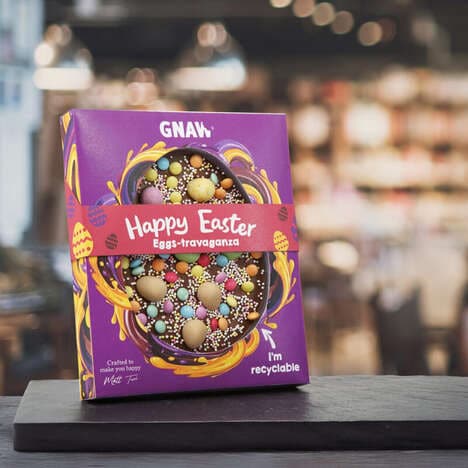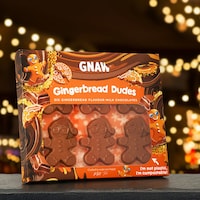
The ‘Solid Block’ agency created the brand identity for ‘Gnaw’ chocolates by incorporating a playful squirrel mascot that represents the brand’s country of origin. The design team first created the name ‘Gnaw’ and decided that ‘W’ would be written as if someone had taken a bite out of it.
When the name was established, the designers decided to brand the chocolates with a mascot to express a playful side of the chocolate company. Using the British native red squirrel as the mascot allowed a cohesive brand image that fused the name, the bite mark and the company’s homeland.
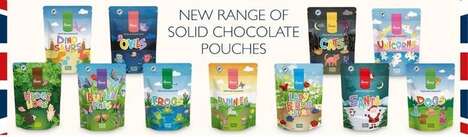
The brand produces a wide variety of flavored chocolates, which are all labeled with the playful squirrel. However, each flavor shows the forest critter in a different pose or outfit that best reflects each specific flavor.
What's Driving This Trend
- Brand Identity
- Creating a unique brand identity that incorporates a playful mascot can help differentiate a chocolate company in the market.
- Playful Packaging
- Using a mascot on packaging can add a fun and whimsical element to the brand, appealing to consumers seeking a unique chocolate experience.
- Localized Marketing
- Incorporating elements of a country's native fauna or culture can create a sense of authenticity and connection with consumers.
Who This Affects Most
- Food and Beverage
- In the food and beverage industry, the use of playful mascots and unique branding can help chocolate companies stand out and attract consumers.
- Graphic Design
- Graphic design agencies can explore opportunities to create innovative brand identities incorporating playful mascots for chocolate companies.
- Tourism and Souvenir
- Tourism and souvenir industries can leverage localized marketing strategies by incorporating native fauna or cultural symbols as mascots for branded products like chocolates.