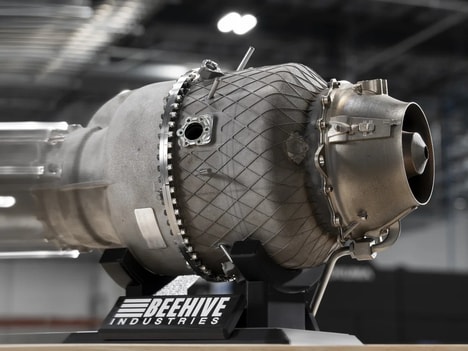
GKN Aerospace and Pratt & Whitney announced a technology development agreement to pursue additive manufacturing for the F135 turbofan engine, featuring GKN’s directed energy deposition process for producing large components. The collaboration will involve the Norwegian Defence Materiel Agency and aims to deliver certified F135 parts by 2028.
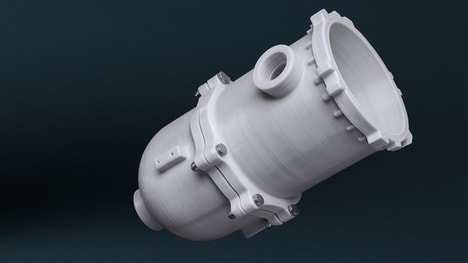
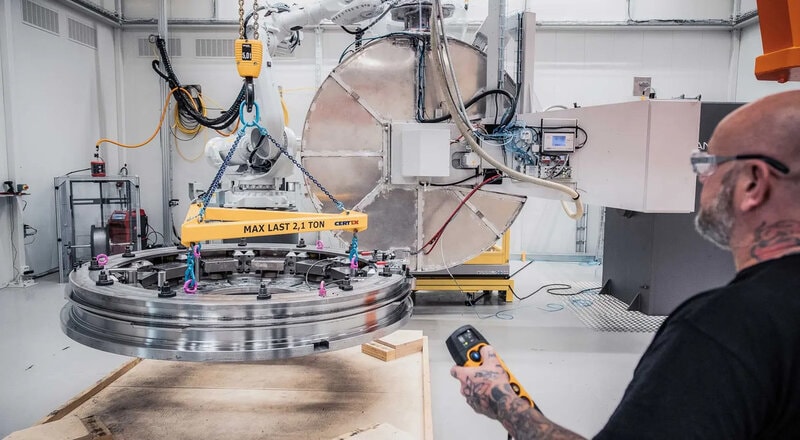
The project will use GKN’s wire-fed, cell-based DED technology, which can manufacture parts measuring up to approximately five metres using a 20-kilowatt laser in an argon-filled environment. Development will be led from GKN Aerospace’s Kongsberg facility, supported by its existing DED centres in Sweden, the UK and the U.S. The partners will explore large engine components, such as casings, while evaluating certification and industrial production requirements.
For aerospace supply chains, DED could reduce material waste, lead times and manufacturing costs while increasing production flexibility. If successful, the program could advance large-format additive manufacturing for certified defence engine components and strengthen regional supply-chain resilience.
Image Credit: GKN Aerospace
What Makes This Trend Stand Out
- Large-format Additive Manufacturing
- Certified production of oversized engine components through directed energy deposition creates new pathways for lighter supply chains, lower waste, and faster part availability.
- Defense Engine Modernization
- Advanced manufacturing partnerships around F135 components highlight how legacy military platforms can gain performance, resilience, and lifecycle efficiencies through next-generation production methods.
- Regional Supply-chain Resilience
- Distributed additive manufacturing hubs across Europe and the U.S. support more flexible defense sourcing models that reduce dependence on centralized component production.
Sectors Adopting This
- Aerospace Manufacturing
- Wire-fed laser deposition for large certified parts expands the role of additive processes beyond prototyping into core engine component production.
- Defense Technology
- Military aviation programs benefit from industrialized additive manufacturing that can improve readiness, repairability, and strategic control over critical propulsion systems.
- Industrial 3D Printing
- High-power, cell-based DED systems capable of producing five-metre structures signal growth potential for additive platforms serving regulated, high-value sectors.