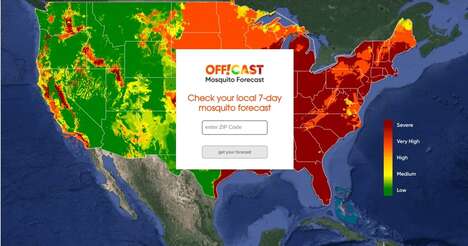

In an effort to stop the mosquito-borne Zika virus, scientists are using genetically modified mosquitos. The illness, which does not have a vaccine and cannot be prevented by drugs, is currently the cause of a travel advisory issued by the Center for Disease Control (CDC). The outbreak has reached pandemic proportions in South America.
Biotechnical insect control company Oxitech developed a strain of genetically engineered mosquitos that mimic the ones that carry Zika virus and the similar Dengue Fever. Through their tests they have been able to significantly reduce (by 90%) the mosquito population in Brazil. This could have a huge impact on the spread of the Zika virus and holds much potential for other diseases like Malaria.
Key Themes Behind This Trend
- Genetic Modification of Insects
- The use of genetically modified insects, like Oxitech's mosquitos, to combat disease outbreaks such as the Zika virus.
- Biotechnical Insect Control
- The development and implementation of innovative techniques to control insect populations and reduce the spread of diseases.
- Innovative Disease Prevention Methods
- Exploring new and unconventional methods, such as genetic modification, to prevent and control diseases transmitted by insects.
Where This Applies
- Biotechnology
- The biotechnology industry can leverage genetic modification techniques to develop innovative strategies for disease control.
- Public Health
- The public health sector can benefit from the use of genetically modified insects in controlling disease outbreaks and preventing their spread.
- Agriculture
- The agricultural industry can explore biotechnical insect control methods to protect crops from insect-related diseases and minimize the use of pesticides.