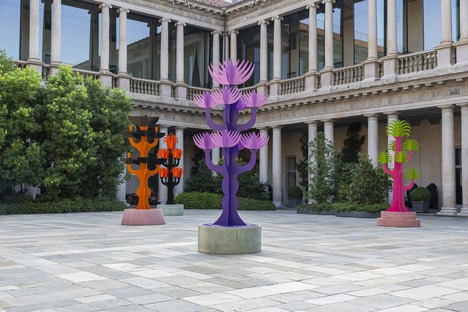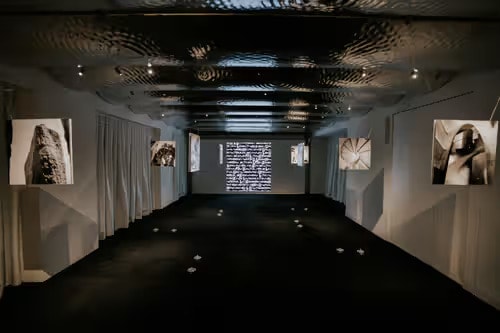
The Gaudí-Miró-Gomis: Deconstructed brings together works by Antoni Gaudí, Joan Miró, and Joaquim Gomis at Casa Batlló in Barcelona as part of the Gaudí Year 2026 program. Curated by Joana Seguro and Ester Ramos, the exhibition examines the creative connections between the architect, artist, and photographer through sculpture, archival photography, and immersive installations. Original works include Miró's The Warrior (1970) bronze sculpture and engravings from his Gaudí Series (1979), presented alongside Gomis's photographic documentation of Gaudí's architecture. The exhibition remains on view through January 2027.
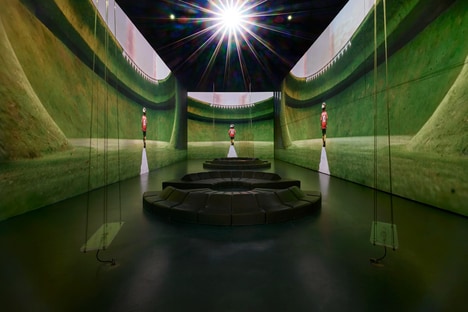
The presentation incorporates a localized soundscape created from field recordings captured across Catalonia to reinforce the relationship between the artworks and their regional context. Creative studio Tomorrow Bureau contributes newly commissioned digital installations using a methodology described as digital archaeology, combining archival material with contemporary visualization techniques to reveal new interpretations of the three figures' shared themes of nature, materiality, experimentation, and spirituality.
Image Credit: Casa Batllo, hypebeast
What's Driving This Trend
- Digital Archaeology
- Archival art and architectural records gain renewed cultural relevance through immersive visualization methods that reinterpret historical material for contemporary audiences.
- Contextual Soundscapes
- Regionally sourced field recordings deepen exhibition storytelling by connecting artworks to place-based identity, memory, and sensory interpretation.
- Cross-disciplinary Curation
- Blending architecture, photography, sculpture, and digital media creates richer institutional narratives around legacy creators and shared creative philosophies.
Who This Affects Most
- Museums and Galleries
- Immersive exhibition formats expand how cultural institutions present permanent collections, archives, and temporary programming to attract broader visitor segments.
- Digital Experience Design
- Commissioned installations built from historical source material position creative studios as key partners in translating heritage into interactive cultural environments.
- Cultural Tourism
- Major art programs tied to landmark sites and regional anniversaries strengthen destination appeal through layered experiences that combine history, design, and local identity.