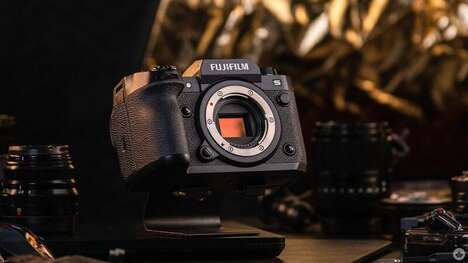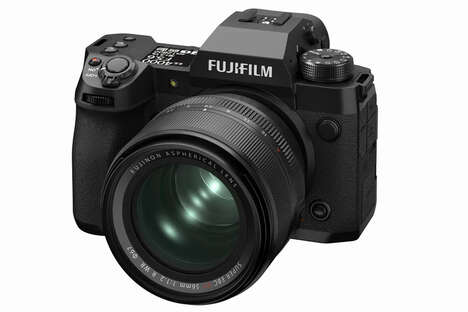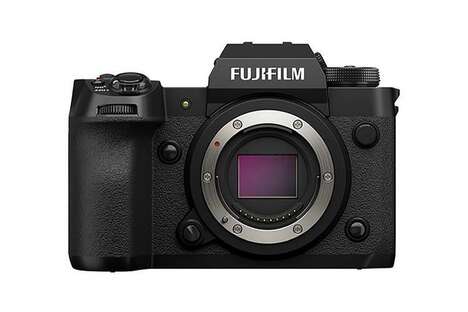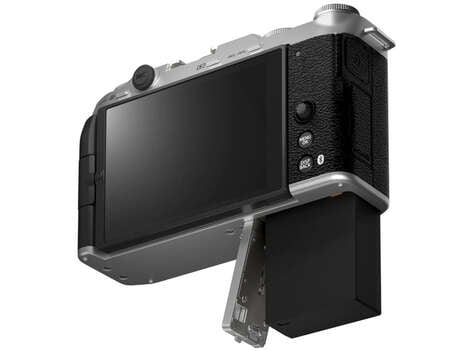

The world of camera technology turns incredibly quickly, as the new Fujifilm X-E3 makes (literally) clear. The camera, an upgrade over Fujifilm's previous X-E2 model and Fujifilm's smallest viewfinder-equipped product, is only a few years newer, but it packs wildly improved features.
The biggest addition to the Fujifilm X-E3 is the inclusion of 4K video recording, which affords far more freedom and quality for those producing video content with the camera. It further has a touchscreen and Bluetooth LE now, bringing it in line with the standard features available on other competitors. The tiny camera also runs with a 24.3 megapixel X-Trans III sensor, the same model used on Fujifilm's larger camera bodies.
Priced at just $900, the X-E3 is a competitive offering from the historic camera company.
What's Driving This Trend
- 4K Video Recording
- Businesses that produce video content should invest in 4K-compatible cameras to provide better visuals to their audience.
- Touchscreens and Bluetooth Connectivity
- Manufacturers of mid-level cameras could incorporate touchscreen and Bluetooth connectivity to meet current industry standards and customer expectations.
- Megapixel Upgrades
- Tech companies could upgrade their camera sensors to provide better image quality and compete in the growing market for cameras and photography equipment.
Who This Affects Most
- Photography Equipment Manufacturing
- Camera manufacturers could focus on producing affordable mid-level 4K-compatible cameras to attract more customers and compete in the market.
- Video Content Production
- Industries like advertising and entertainment could benefit from investing in 4K-compatible cameras to enhance the visual quality of their video content.
- Consumer Electronics Retailing
- Companies that specialize in retailing consumer electronics could diversify their product offerings to include the latest mid-level camera models with versatile features like touchscreen and Bluetooth connectivity.