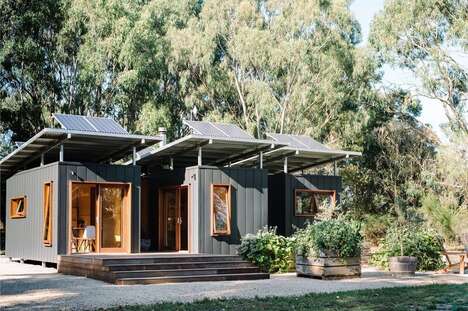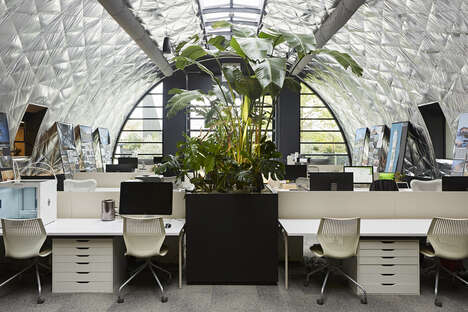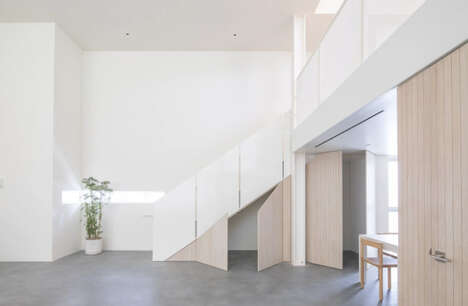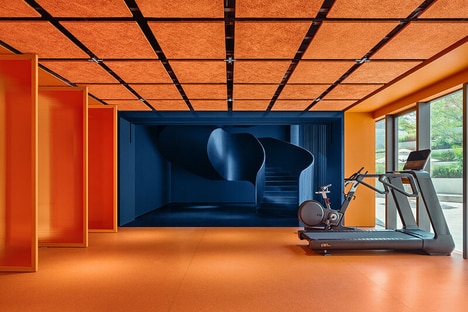

Located in Shanix, China is this unconventional two storey workplace constructed using upcycled freight units that are stacked together to offer stylish and modern offices. The units are comprised of shipping containers that are emptied and refurbished to offer all the amenities needed to convert the metal pods into a workplace.
The offices are designed by the People's Architecture Office (PAO) and they offer two different floors. The first is a series of containers that are positioned diagonally to offer office units that are positioned to the left, while the second set of containers are painted yellow and point right. The containers are slender and long with floor to ceiling windows at the front that offer natural light in the space. On top of the containers is outdoor recreational space.
Photo Credits: designboom, architizer
Key Themes Behind This Trend
- Upcycled Freight Units
- The use of upcycled freight units in constructing unconventional workspaces presents opportunities for sustainable and cost-effective office designs.
- Shipping Container Architecture
- The adoption of shipping containers as building blocks for modern offices opens possibilities for modular and flexible workspaces.
- Outdoor Recreational Spaces
- The incorporation of outdoor recreational spaces on top of shipping container offices offers opportunities for fostering employee well-being and creativity.
Where This Applies
- Architecture and Design
- Architects and designers can explore innovative ways to utilize shipping containers and upcycled freight units in creating unique workspaces.
- Construction and Real Estate
- Construction companies and real estate developers can capitalize on the growing trend of shipping container offices to offer sustainable and customizable office solutions.
- Office Furniture and Amenities
- Providers of office furniture and amenities can adapt their products to the spatial constraints and design requirements of shipping container offices.