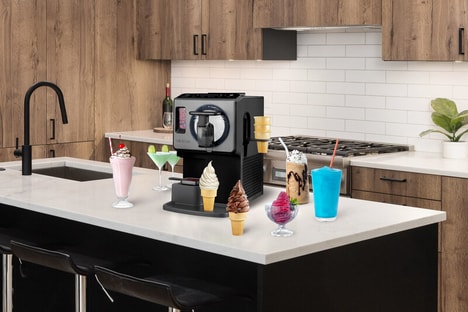
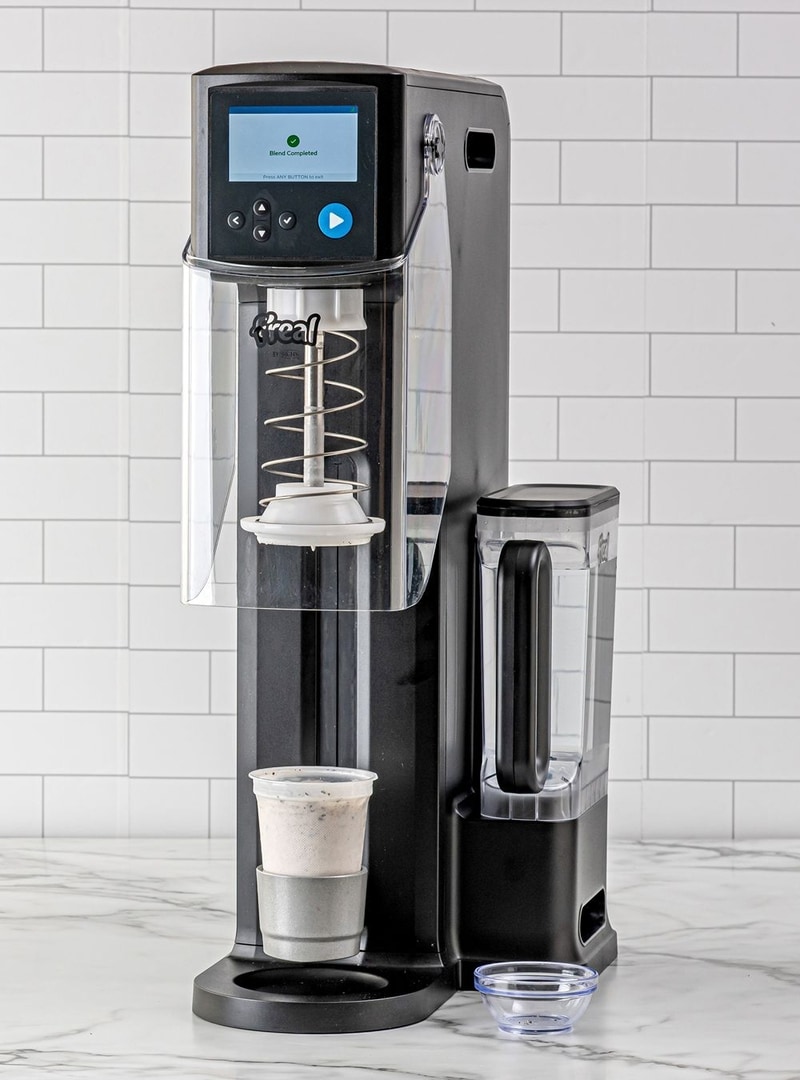
The f’real Blend n’ Serve Blender has been announced by f'real By Rich's for its Blend n' Serve Program to accommodate foodservice operators with a way to prepare premium milkshakes.
The appliance is engineered for the back-of-house program and is optimized to achieve freshly prepared drinks in around a minute with minimal labor required. The system eliminates the need for measuring, pouring and scooping to drastically curb preparation time, and only requires a cup to be placed in the unit, activated, removed and cleaned. The unit can be used with Rich's On Top Whipped Topping, mix-ins or toppings as a nod to consumer preferences for social media shareable indulgences.
The f’real Blend n’ Serve Blender has been announced alongside two new flavors of frozen beverages including the Orange Creamsicle Milkshake and the Frozen Lemonade.
Why This Trend Is Growing
- Automated Beverage Prep
- Back-of-house blending systems are reducing manual steps in drink production, creating opportunities for foodservice brands to scale premium beverages with consistent quality and lower labor dependency.
- Shareable Indulgent Drinks
- Social media-ready milkshakes and frozen beverages are turning customizable toppings, mix-ins and nostalgic flavors into high-margin menu items with strong experiential appeal.
- Labor-light Foodservice Equipment
- Compact automated appliances are reshaping kitchen workflows by enabling faster service, simplified training and more efficient deployment of limited staff resources.
Industries Being Reshaped
- Foodservice Equipment
- Commercial appliance makers are advancing automated preparation systems that help operators deliver specialty menu items without adding complex kitchen processes.
- Frozen Beverages
- Premium frozen drink programs are expanding beyond traditional formats as operators look to combine speed, novelty flavors and consistent made-to-order execution.
- Quick-service Restaurants
- QSR and convenience food operators can use automated drink platforms to broaden dessert beverage offerings while maintaining throughput during peak service periods.