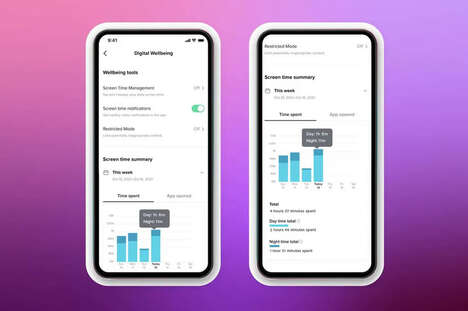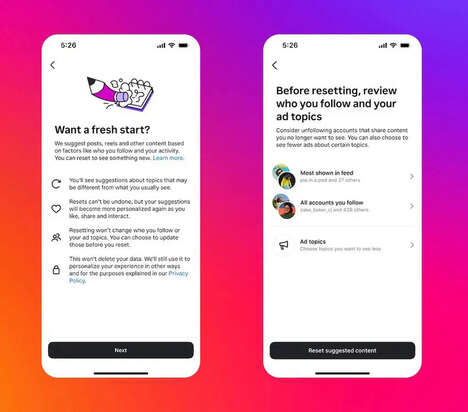
TikTok finally creates a sense of transparency behind their mysterious algorithm that programs their For You Page. Users are often surprised by its accuracy and it is working towards new steps that create a better understanding of the algorithm. The app now launches a feature that will “help people understand why a particular video has been recommended to them.”
Users are able to tap on the new 'question mark' icon with the new update and it will unveil some factors that created the recommendation. The company notes that its plans will add “more granularity and transparency” as time passes and it collects more information. A spokesperson at TikTok stated that future versions may work with new factors that could influence the algorithm including account settings.
Image Credit: TikTok
What's Driving This Trend
- Social Video Algorithm Transparency
- TikTok's new transparency feature highlights the opportunity for social media apps to increase transparency in their algorithms.
- User Personalization
- TikTok's algorithmic personalization of the For You page signals an opportunity for personalization-focused companies, such as recommendation engines and content curation platforms.
- Data Collection Ethics
- TikTok's algorithm transparency update highlights the need for ethical data collection and usage by social media and tech companies.
Who This Affects Most
- Social Media
- Social media companies can improve user experience and increase trust by following TikTok's lead in making algorithms more transparent.
- Recommendation Engines
- The opportunity for recommendation engines lies in developing algorithms for media platforms that can personalize user experiences and recommend content based on interests and behaviors.
- Tech Ethics
- There is a need for a dialogue surrounding ethical data collection and usage by tech companies, emphasizing transparency and user control of data.