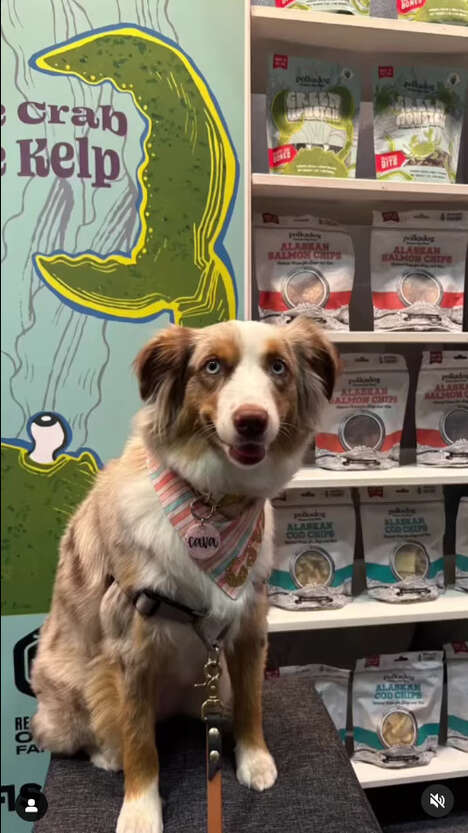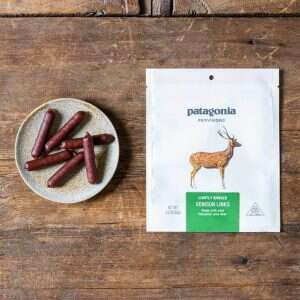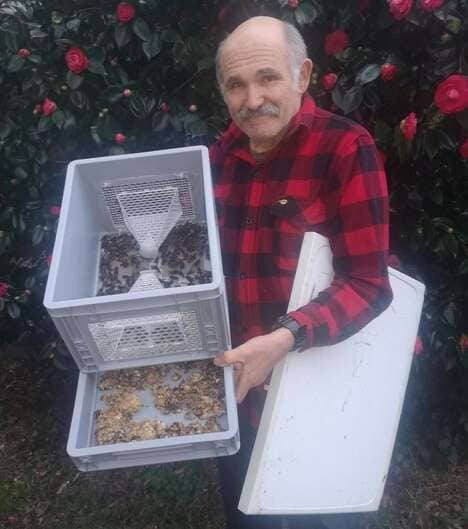
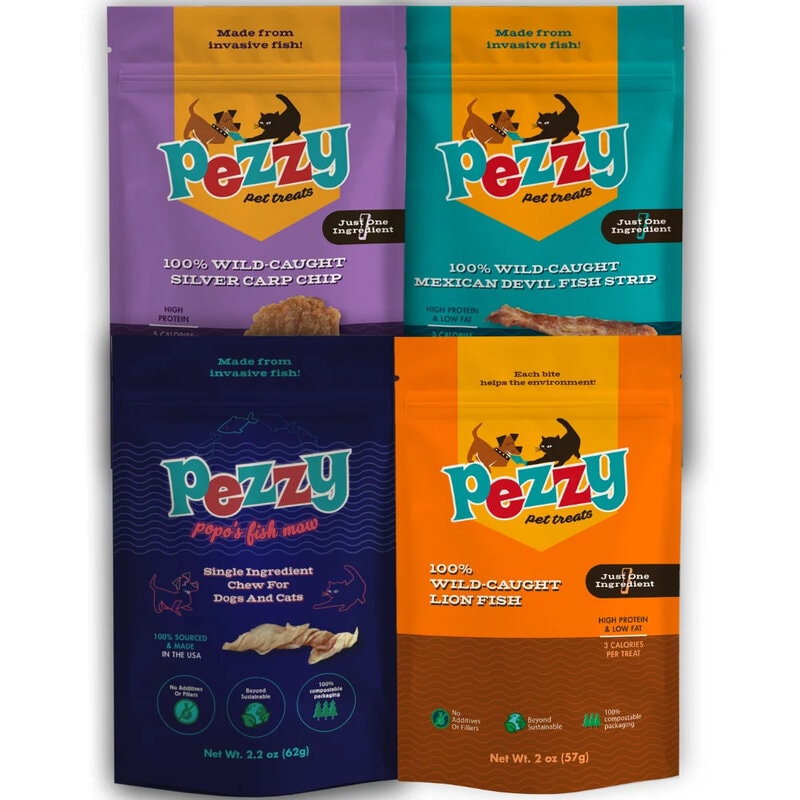
From salmon and cod to sardines, the market is full of fish dog treats that are packed with protein, rich in nutrients and full of flavors pets crave, but Pezzy Pets takes a different approach by focusing on sourcing novel protein from invasive species. Working with small-scale fishers and hunters, Pezzy Pets produces clean-label, single-ingredient treats that support the livelihood of fishermen and help to bring balance back to ecosystems and native fisheries overwhelmed by invasive fish species.
The brand's air-dried Devil Fish Strips, which originate from Southern Mexico, are abundant in protein, low in fat, free from fillers and additives, and packaged in 100% compostable packaging. Similarly, the crispy and nutritious 100% Lionfish Sticks come from the Caribbean and are useful for treating dogs with specific food allergies.
Key Themes Behind This Trend
- Invasive Protein Upcycling
- Overabundant species are being reframed as premium pet nutrition, creating new value chains from ecological management challenges.
- Single-ingredient Pet Treats
- Minimal formulations are gaining relevance as pet owners seek transparent products suited to allergies, sensitivities and clean-label preferences.
- Compostable Pet Packaging
- Sustainable packaging is extending into pet care, pairing waste-reducing materials with products positioned around environmental responsibility.
Where This Applies
- Pet Food
- Novel protein formats are expanding category differentiation as brands respond to demand for functional, sustainable and allergy-conscious pet products.
- Fisheries
- Small-scale harvesting networks can gain alternative revenue streams when invasive catch is redirected into consumer packaged goods.
- Sustainable Packaging
- Compostable materials are becoming a stronger companion to eco-focused products, reinforcing circularity across niche consumer markets.