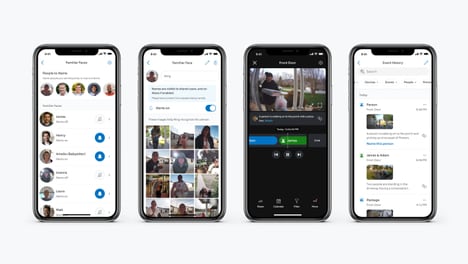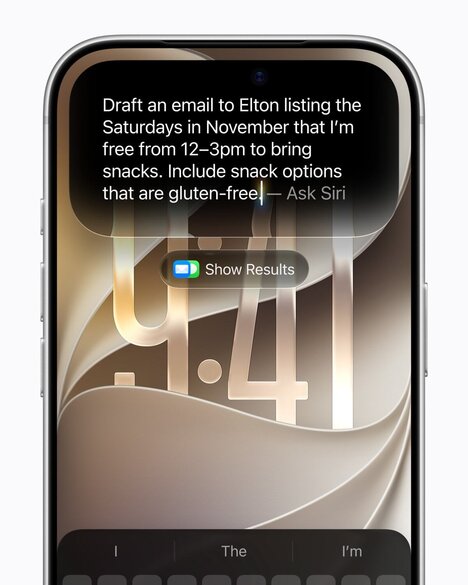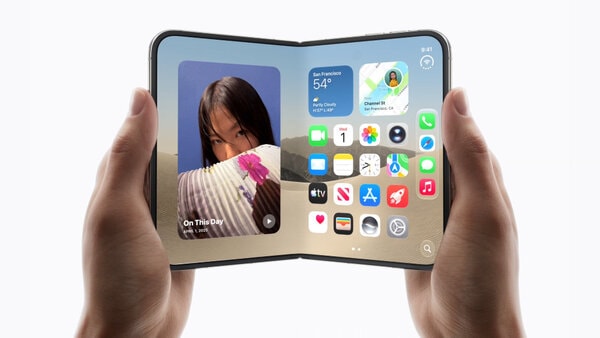
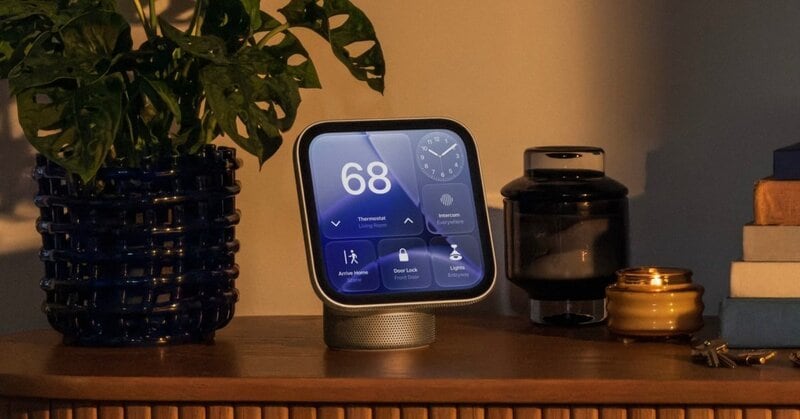
Apple’s HomeView smart display can recognise up to six people in a household and adjust its screen to show the right view for each person. The feature requires a linked device that supports Apple Intelligence, using existing household hardware to identify who is nearby.
For recognition to work, the linked device must be connected to the home’s Wi-Fi and have been unlocked recently. Personalised requests also rely on a paired iPhone or iPad, keeping access to individual information tied to a device the user already owns.
Pre-orders are open ahead of the HomeView’s November 13 launch. By supporting multiple household members, Apple is making personalisation a central part of the shared smart display, rather than treating it as a device designed around one main user.
Image Credit: Apple
What's Driving This Trend
- Multi-user Home Personalization
- Shared household devices are evolving beyond single-owner settings, creating opportunities for adaptive interfaces that tailor content, controls, and privacy boundaries to each resident.
- Ambient Identity Recognition
- Face-aware smart displays signal a shift toward passive authentication in connected spaces, where nearby devices and home networks support seamless personal context without repeated logins.
- Device-linked Privacy Access
- Personal data access tied to already-owned phones and tablets reflects growing demand for smart home experiences that balance convenience with layered identity verification.
Who This Affects Most
- Smart Home Technology
- Personalized displays expand the smart home market toward context-aware hubs that coordinate household routines, media, security, and automation around individual users.
- Consumer Electronics
- Hardware ecosystems gain new differentiation as displays, phones, and tablets work together to deliver identity-based services across shared living environments.
- Digital Privacy and Security
- Household recognition features introduce new demand for privacy infrastructure that manages biometric signals, device trust, and permissioned personal information in domestic settings.