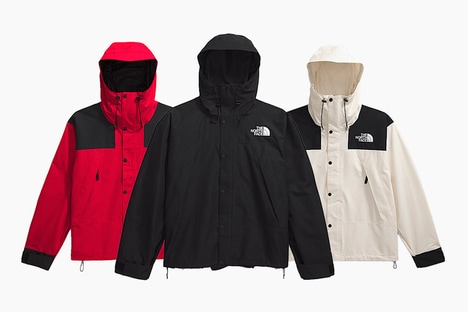
North Face recently set up a pop-up store in Korea that offered free jackets to those who were willing to complete an 'Extreme Shopping' challenge.
In order to claim a complimentary jacket, consumers had to zip-line a distance of 200 meters and punch themselves through a paper target in order to claim their prize. While nervousness can be seen on the faces of some shoppers beforehand, after successfully completing the zip-line, people were left with a smile and a story to tell from the thrilling experience.
In the past, North Face has explored other Extreme Shopping concepts by creating experiences that challenged consumers such as pop-up stores with disappearing flooring and VR dog sled simulations that turned into a real-life sledding race. This kind of marketing fits into a theme that pushes consumers to prove themselves worthy of purchasing a brand's products.
What Makes This Trend Stand Out
- Extreme Retail Experiences
- Retailers are pushing the limits of traditional shopping experiences with extreme challenges to create buzz and drive sales.
- Adventure-based Marketing
- More brands are using adventurous and exciting marketing tactics to connect with consumers on an emotional level and build brand loyalty.
- Interactive Brand Activation
- Brands are creating interactive experiences that engage consumers in a memorable way and deepen their connection to the brand.
Sectors Adopting This
- Apparel Retail
- Apparel retailers can leverage extreme challenges and adventurous marketing tactics to create buzz and drive sales.
- Outdoor Recreation
- Outdoor recreational companies can use interactive brand activations to build excitement around their products and create lasting brand connections.
- Experience Economy
- Businesses that focus on creating memorable experiences for consumers can benefit from incorporating extreme challenges and adventures into their offerings to drive customer engagement and loyalty.