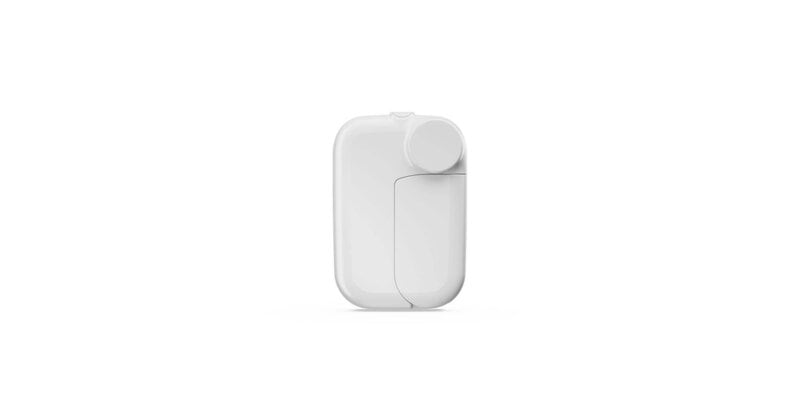
Extended-wear insulin pumps are offering greater convenience for diabetes management, with MiniMed introducing its FDA-cleared MiniMed Fit system. The tubeless device combines automated insulin delivery with a seven-day wear period, allowing users to manage their condition with fewer equipment changes. Its waterproof design and smartphone controls also support greater flexibility throughout daily activities.
The system holds 300 units of insulin, providing 50% more capacity than other tubeless options. Its SmartGuard technology automatically adjusts insulin delivery and can administer correction doses every five minutes. Additional features include meal detection capabilities and compatibility with multiple glucose sensors.
For MiniMed, the device creates opportunities to expand into the tubeless insulin pump market while attracting consumers seeking less demanding diabetes management. Planned pharmacy distribution and increased manufacturing capacity could improve product accessibility and support commercial growth following its anticipated U.S. rollout in spring 2027.
Image Credit: MiniMed Fit
Why This Trend Is Growing
- Extended-wear Diabetes Devices
- Longer wear periods reduce maintenance burdens for patients and create space for higher-capacity, low-intervention chronic care technologies.
- Tubeless Insulin Automation
- Automated, patch-style insulin delivery reflects a shift toward discreet medical devices that blend continuous therapy with everyday mobility.
- Smartphone-controlled Care
- Mobile-enabled device management strengthens the role of consumer-friendly interfaces in complex treatment routines and connected health ecosystems.
Industries Being Reshaped
- Diabetes Care
- Advanced insulin delivery systems are reshaping competitive dynamics by prioritizing convenience, personalization, and reduced therapy friction.
- Medical Devices
- Waterproof, sensor-compatible wearables highlight opportunities for durable health hardware that supports uninterrupted use across daily environments.
- Digital Health
- Integrated algorithms, app controls, and glucose sensor compatibility point to expanding platforms for automated treatment decision support.