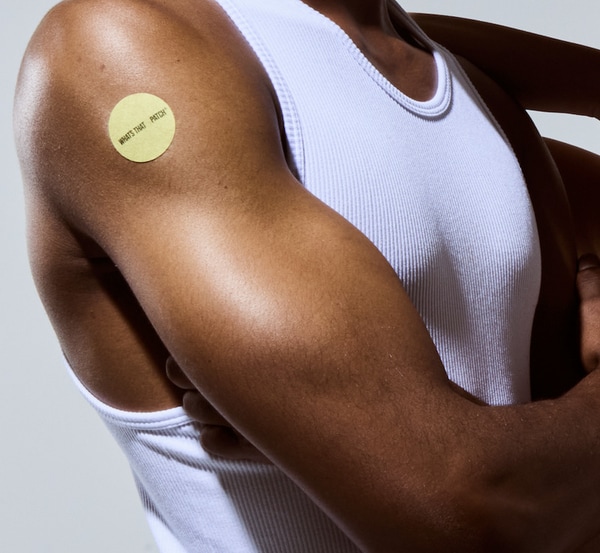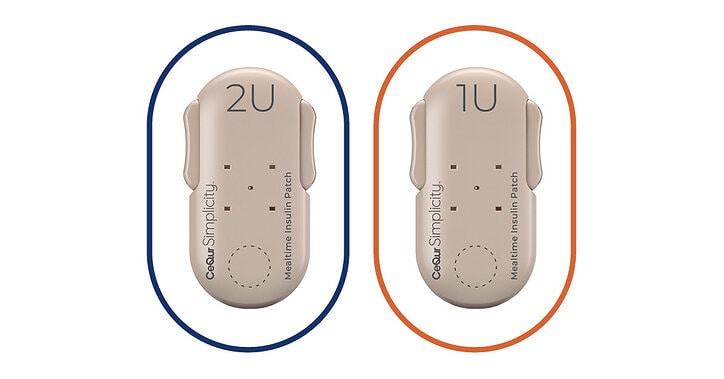
Extended-wear insulin patches are offering greater flexibility as CeQur introduces two upgrades to its Simplicity mealtime insulin delivery system. The FDA-cleared enhancements extend wear time to seven days and introduce a 1-unit dosing option alongside the existing 2-unit format, allowing healthcare professionals to better accommodate individual treatment requirements.
Now available nationally, the updated patch can replace up to 21 mealtime injections during its seven-day wear period. A CeQur/Harris Poll survey involving 409 U.S. adults using injectable mealtime insulin found that 51% had missed or skipped doses, while 52% did not consistently carry their insulin supplies outside the home.
For CeQur, these improvements create opportunities to expand adoption among patients seeking more convenient insulin management. Healthcare providers gain additional dosing flexibility, while longer wear periods could help reduce daily treatment disruptions and support more consistent medication routines.
Image Credit: CeQur Corporation
Why This Trend Is Growing
- Extended-wear Drug Delivery
- Longer-lasting wearable patches are reducing treatment interruptions by replacing frequent injections with multi-day medication delivery formats.
- Flexible Micro-dosing
- Adjustable dosing increments are creating more personalized chronic care options for patients with varying daily treatment needs.
- Adherence-focused Wearables
- Wearable medication systems are addressing missed-dose behavior by making therapy less dependent on supplies, routines, and location.
Industries Being Reshaped
- Diabetes Care
- Insulin delivery innovations are reshaping diabetes management through discreet, patient-friendly devices that support more consistent mealtime dosing.
- Medical Devices
- Patch-based delivery systems are expanding device opportunities beyond monitoring into active therapeutic administration for chronic conditions.
- Digital Health
- Connected adherence and dosing ecosystems can emerge around wearable insulin platforms as providers seek better visibility into real-world treatment patterns.