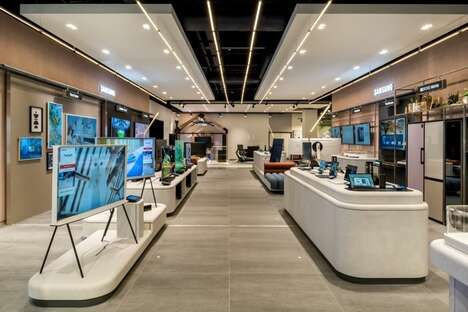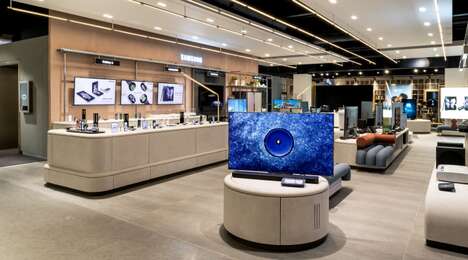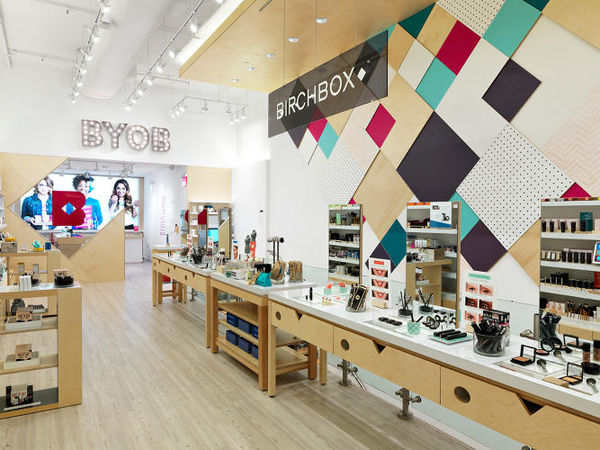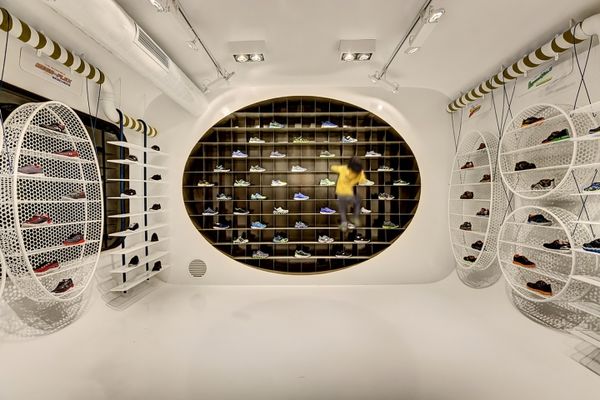


In line with the rise of smart shops around the world, Panasonic introduced the "Experiential" Ex-Store to Japan.
Aside from the product assortment inside, the store featured several elements that would make a visit worth the trip. For instance, with the use of eco-friendly LED lighting, the colors that illuminated the store were able to shift throughout the day, either to help wake people up or provide a relaxing atmosphere for evening browsing. The ambient lights detected movement within the store, which also cut energy consumption in half.
Additional energy savings in the store were used by installing eco-friendly appliances, as well as solar panels and a battery to store surplus energy generated by the store. This means that the smart store could draw from its power supply mid-day, when taking power from Japan's national grid is the costliest.
Key Themes Behind This Trend
- Smart Shops
- The rise of smart shops presents an opportunity for businesses to integrate technology and create immersive shopping experiences.
- Eco-friendly Lighting
- The use of energy-efficient LED lighting and smart sensors can help businesses reduce energy consumption and create dynamic atmospheres.
- Renewable Energy Integration
- The integration of solar panels and energy storage systems in retail spaces allows businesses to generate and utilize their own sustainable energy.
Where This Applies
- Retail
- Retailers can explore smart shop concepts, implementing technologies like LED lighting and sensors to enhance customer experiences and reduce environmental impact.
- Energy
- The renewable energy industry can collaborate with retailers to develop and install solar panel systems and energy storage solutions for sustainable power supply in smart stores.
- Technology
- Technology companies can provide innovative solutions such as smart lighting systems and energy management platforms to support the growth of eco-friendly tech shops.