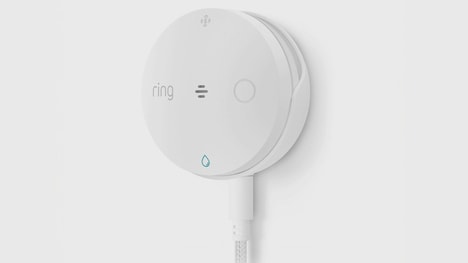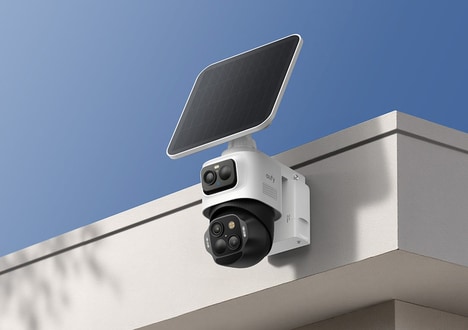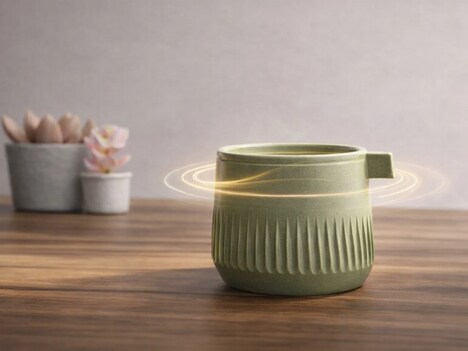
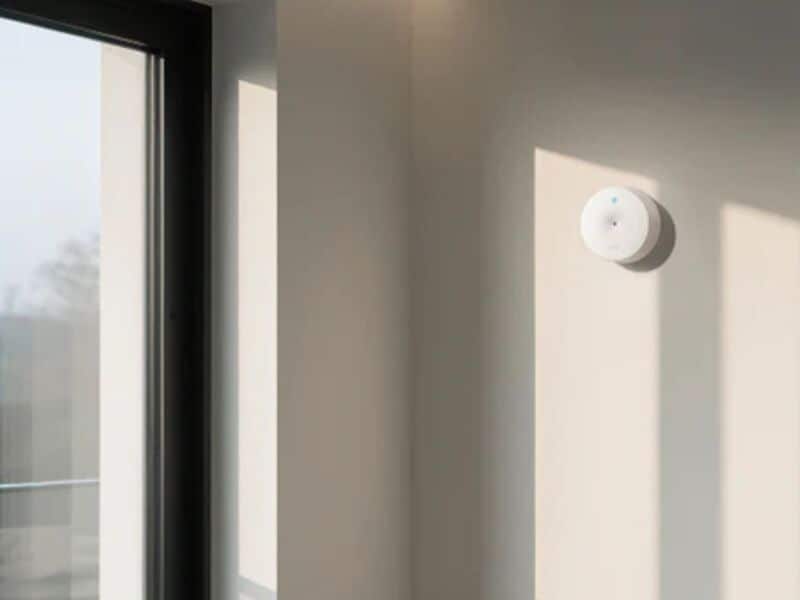
The eufy Glass Break Sensor E10 has been announced by the brand as an upcoming piece of smart home technology that's engineered to monitor for potential issues at all times. The device is engineered with a neural chip that works with an artificial intelligence (AI) algorithm to recognize the acoustic signature of shattering glass. The unit will work from up to 7.6-meters away to work well across further distances in the home and will alert the administrator of an issue immediately upon detection.
The eufy Glass Break Sensor E10 requires connectivity with the brand's HomeBase hub and will offer 200-meters of wireless range when connected. The device aims to fill out a neglected category within the smart home market and focus more on auditory monitoring.
Image Credit: eufy
What's Driving This Trend
- Acoustic AI Monitoring
- Emerging systems that identify specific sound signatures enable devices to distinguish critical events like glass breakage from ambient noise, creating new layers of contextual awareness in environments.
- Edge Neural Processing
- On-device neural chips that run AI models locally reduce latency and dependence on cloud connectivity, allowing immediate, privacy-preserving inference for real-time sensing tasks.
- Auditory-centric Smart Home
- A shift toward sound-focused sensors expands the smart home sensor mix beyond cameras and motion detectors, enabling non-visual monitoring for safety and anomaly detection.
Who This Affects Most
- Home Security
- Specialized acoustic detectors introduce new product categories that can complement or replace traditional alarm sensors, altering installation and monitoring value propositions.
- Consumer Electronics
- Integrating neural chips into compact devices creates opportunities for premium, low-power features that differentiate hardware through on-device AI capabilities.
- Property Insurance
- Sound-based incident verification presents potential for more accurate claim triage and risk assessment by providing timely, corroborating sensory data for home damage events.