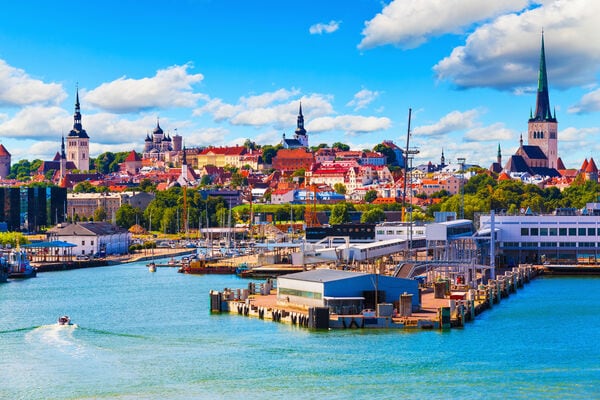

The government of Estonia has announced an amendment to its Alien Act, allow all remote workers to stay inside the country's borders for up to a year. The new initiative appropriately dubbed the 'Digital Nomad Visa,' was launched in response to the COVID-19 pandemic, that enabled most office workers to work remotely. The program will allow up to 1,800 people a year to work remotely within its borders and will appeal to Western and European citizens looking to quarantine in a more climate-friendly location.
“A digital nomad visa strengthens Estonia’s image as an e-state and thus enables Estonia to have a more effective say on an international scale,” said Estonia Interior Minister Mart Helme in an announcement.
Image Credit: Shutterstock
Key Themes Behind This Trend
- Digital Nomad Visas
- The trend of countries offering digital nomad visas presents disruptive innovation opportunities in travel, tourism, and remote work industries.
- Remote Work
- The increasing acceptance of remote work creates disruptive innovation opportunities in technology, communication, and productivity tools industries.
- Climate-friendly Quarantine Locations
- The trend of seeking climate-friendly quarantine locations presents disruptive innovation opportunities in eco-friendly tourism, hospitality, and renewable energy industries.
Where This Applies
- Travel
- The travel industry can capitalize on the digital nomad visa trend by providing tailored services and packages for remote workers.
- Tourism
- The tourism industry can seize opportunities by promoting climate-friendly quarantine locations and offering unique experiences for digital nomads.
- Technology
- The technology industry can develop innovative solutions to enhance remote work productivity, communication, and collaboration for digital nomads.