Google is rolling out Gemini 4 Argon to take on longer coding, research and security jobs before a person needs to step back in. The frontier AI model starts with trusted cyber defenders and is slated to widen to developers, enterprises and consumers, with a 1 million output-token ceiling, or chunks of generated text, for much longer runs.
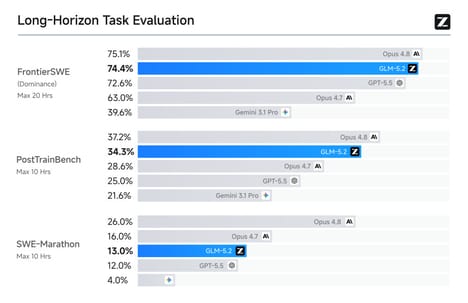
Across Google's disclosed comparisons, Argon leads or shares the top score in 13 of 18 tests, with standout results in business automation and long-horizon software work. That profile suits tasks like code migration, audit review and vulnerability cleanup better than quick one-off prompting.
The focus on longer-running tasks puts more emphasis on how AI models perform across an entire workflow rather than a single prompt. With applications spanning software development, research and security, Argon gives Google another way to position its models around complex jobs that require more sustained output and human oversight.
Image Credit: VentureBeat / OpenAI ChatGPT-Images-2.5
Why This Trend Is Growing
- Long-horizon Automation
- Extended-output AI models are reshaping complex workflows by handling multi-step coding, research and security tasks with fewer human interruptions.
- AI-assisted Code Migration
- Large-context systems create room for faster modernization of legacy software by sustaining analysis, rewriting and validation across expansive codebases.
- Security Workflow Agents
- Cyber defense teams gain new possibilities from models that can review audits, identify vulnerabilities and support remediation over longer operational windows.
Industries Being Reshaped
- Enterprise Software
- Business platforms may embed long-context AI to manage end-to-end process automation, technical documentation and application maintenance at greater scale.
- Cybersecurity
- Security providers are positioned to build deeper AI-enabled detection and cleanup tools that operate across full investigations rather than isolated alerts.
- Information Technology Services
- IT consultancies could see service models shift as AI systems support prolonged code modernization, infrastructure review and enterprise research engagements.