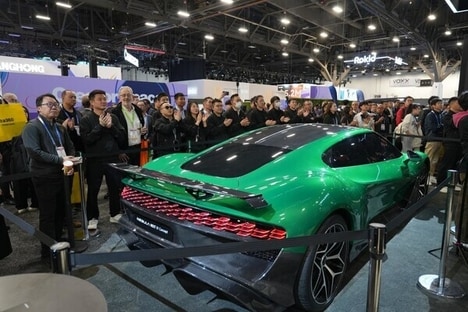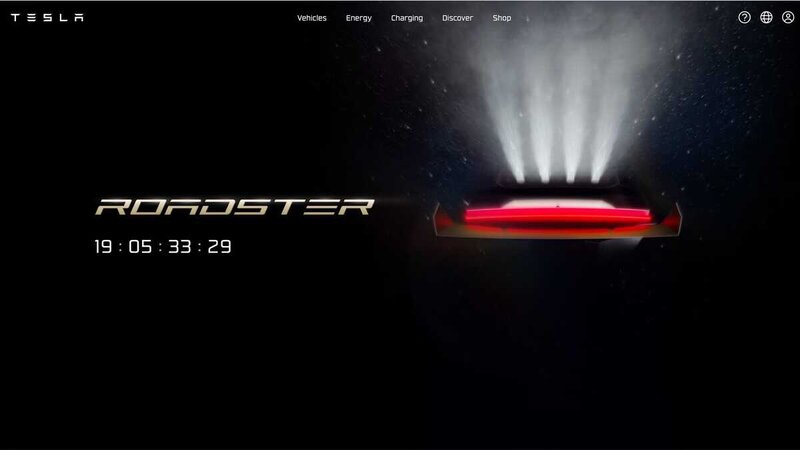
Tesla has set Oct. 1 to reveal its second-generation Roadster, which may feature rocket thrusters as a distinguishing element. The event is expected to address the vehicle’s long-promised performance ambitions and the potential SpaceX option package of roughly 10 small rocket thrusters.
The Roadster was unveiled in 2017 with targets that included a 0-to-60-mph time of 1.9 seconds, a top speed above 250 mph, seating for four, a 200-kWh battery and about 620 miles of range. Tesla listed a base price of around $200,000 and a $250,000 Founders Series. The company proposed the SpaceX option in 2018 and reiterated its rocket-assisted design goals in 2020 and 2024, with CEO Elon Musk later suggesting a sub-one-second acceleration target.
For buyers, the appeal lies in extreme acceleration and performance designed to reset electric supercar expectations. For Tesla, the Roadster functions as a halo product that sustains brand attention, although its extended timeline makes a credible production plan increasingly important.
Image Credit: MotorTrend
What's Driving This Trend
- Rocket-assisted Performance
- Micro-thruster systems in premium electric vehicles introduce new performance benchmarks that blur boundaries between aerospace engineering and automotive design.
- Halo EV Launches
- High-profile electric supercars create brand attention beyond direct sales, supporting differentiation in crowded EV markets through aspirational technology signaling.
- Ultra-range Battery Platforms
- Large-capacity battery architectures for supercars point to advances in energy density, thermal control and long-distance electric mobility expectations.
Who This Affects Most
- Electric Vehicles
- Luxury EV makers are using extreme acceleration, extended range and unconventional hardware to redefine consumer perceptions of electric performance.
- Aerospace Technology
- Rocket propulsion components adapted for road vehicles suggest crossover potential between space-sector systems and next-generation mobility platforms.
- Luxury Automotive
- Premium automakers face shifting competitive pressure as software-led performance claims and experimental propulsion features become status symbols for affluent buyers.