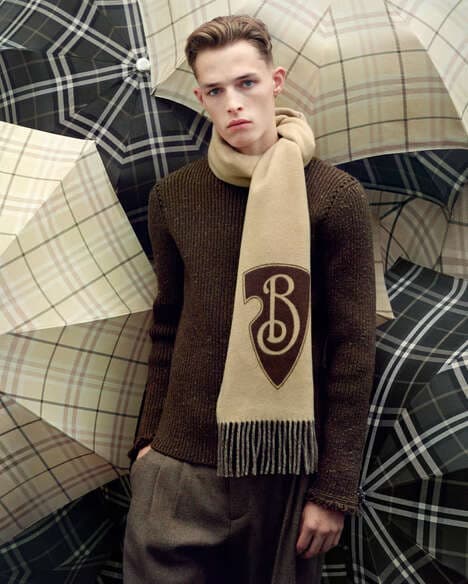
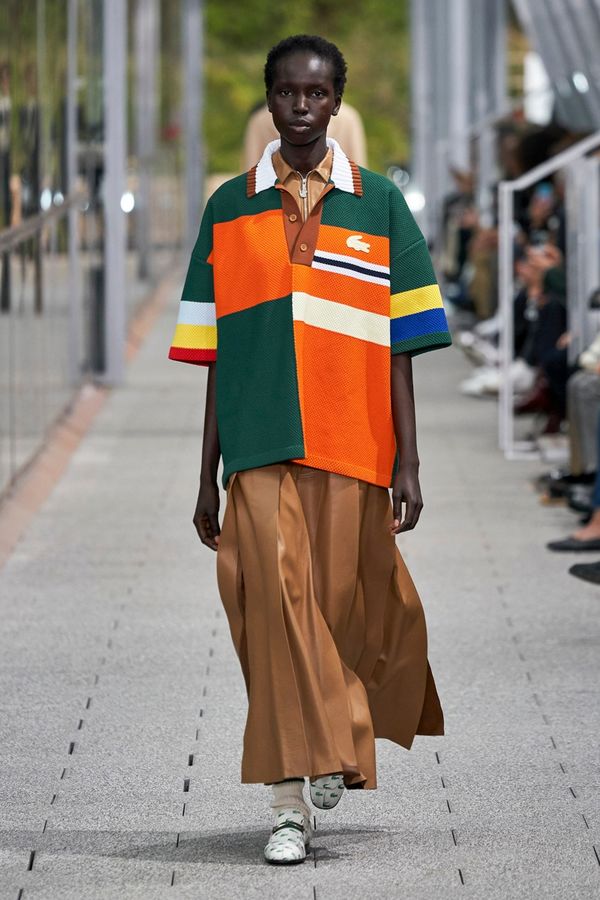
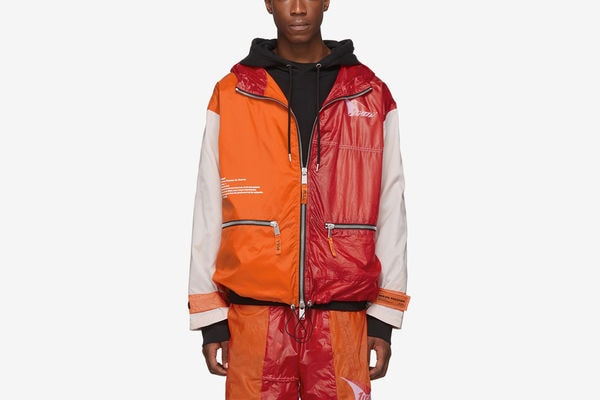
The movement toward eco-friendly high-fashion has caught up to global London-based label Burberry. Earlier this year, the brand's practices of burning millions of dollars of stock "to protect [itself]" became public knowledge and the backlash forced the luxe fashion house to rethink the approach to its business.
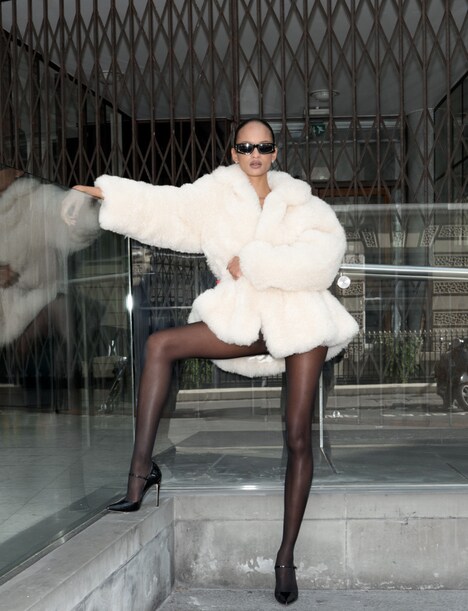
As a result, Burberry announced that it will not only cease to burn unsaleable pieces but it will also no longer use real fur in its collections. CEO Marco Gobbetti announced that "modern luxury means being socially and environmentally responsible."
This move toward eco-friendly high-fashion may be attributed to an awakening consciousness about the reality of global warming, as well as the power of consumers to speak up and instill change on a corporate level.
Photo Credits: Ben Awin
Why This Trend Is Growing
- Eco-friendly Fashion
- There is a growing trend in the fashion industry toward producing environmentally sustainable and ethically responsible clothing.
- Sustainable Business Practices
- Companies are increasingly implementing sustainable practices in response to consumer demand for socially and environmentally responsible products.
- Consumer Activism
- Consumers are using their voices and purchasing power to demand change and hold companies accountable for their actions.
Industries Being Reshaped
- Fashion
- The fashion industry has the opportunity to embrace eco-friendly practices and create innovative, sustainable clothing options.
- Luxury Goods
- Luxury brands can leverage their influence and market position to drive the adoption of sustainable practices and redefine what 'luxury' means in a socially conscious era.
- Retail
- Retailers can respond to consumer demand for sustainable products by curating collections that prioritize eco-friendly and ethically-made items.