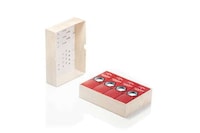


This eco light bulb packaging proposal explores the possibilities of resourceful manufacturing. Products like light globes are delicate enough to require protection in shipping, storage and sale, but this has the potential to produce a great deal of avoidable waste. A great solution by Stacy Park was to minimize the types and quantities of material used through a clever form of optimization.
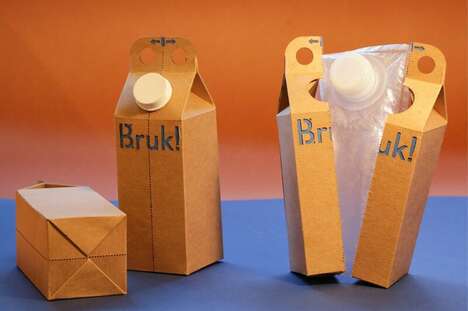
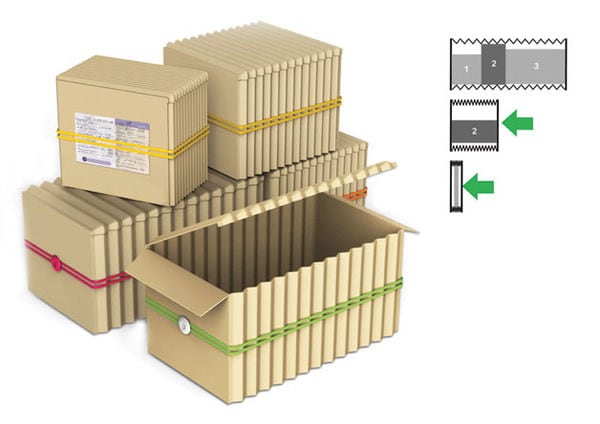
The Green Depot Eco-Friendly Lightbulb is contained within a hexagonal carton that's open at the top and bottom. This shape gently embraces the glass, offering corrugated cardboard padding and spaciousness to prevent pressure. A technique of scoring and folding the recyclable material enables the efficient formation of the eco light bulb packaging, and the simpler insertion of a tripartite spacer keeps the product in place without adhesives.
What's Driving This Trend
- Resourceful Manufacturing
- This trend focuses on finding innovative ways to use materials efficiently in manufacturing processes.
- Eco-friendly Packaging
- This trend involves the development of packaging solutions that minimize waste and environmental impact.
- Adhesive-free Packaging
- This trend explores packaging designs that secure products without the use of adhesives, reducing waste and simplifying recycling.
Who This Affects Most
- Lighting
- The lighting industry can look into adopting resourceful manufacturing techniques and eco-friendly packaging to reduce waste and enhance sustainability in product packaging and shipping.
- Packaging
- The packaging industry can find opportunities in developing innovative, eco-friendly packaging solutions that use minimal materials, avoid glue, and prioritize recyclability.
- Sustainable Design
- The sustainable design industry can explore adhesive-free packaging as a disruptive innovation opportunity to create eco-friendly packaging solutions for various products.