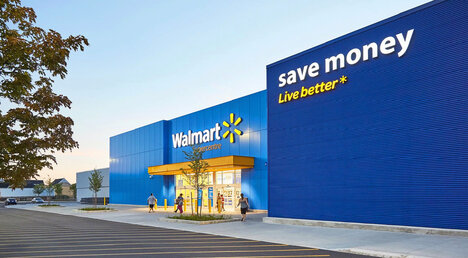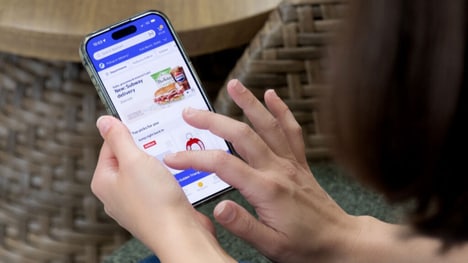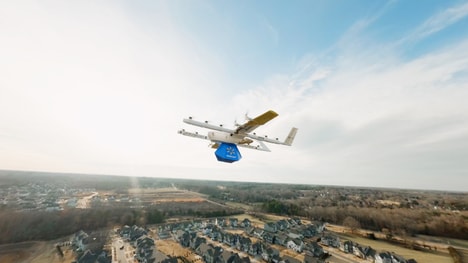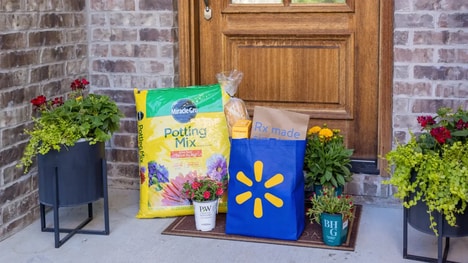
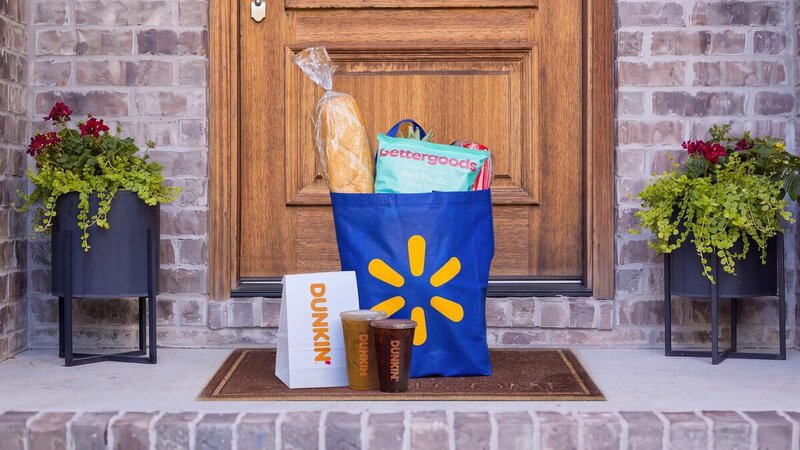
Walmart has expanded its service to include Dunkin' Delivery, allowing customers to order food and beverages through the Walmart app or website. The service launches at Walmart's 150 in-store Dunkin' locations before expanding to the majority of its 10,000 standalone locations nationwide.
The expansion follows Walmart's June rollout of Subway delivery, its first restaurant integration for express delivery, as the retailer works to position its stores as fulfillment hubs alongside its e-commerce growth, which saw store-fulfilled delivery grow 43% in the most recent quarter.
As big-box retailers increasingly compete in restaurant delivery, Walmart's expansion beyond its own store footprint signals that retailers are leveraging existing brand partnerships to build delivery ecosystems that extend far beyond their physical real estate.
Image Credit: Walmart
Why This Trend Is Growing
- Retail-app Restaurant Delivery
- Big-box shopping platforms are becoming meal-ordering gateways, creating space for bundled commerce experiences that combine groceries, prepared food, and everyday retail in one checkout flow.
- Store-fulfilled Food Ecosystems
- Physical retail locations are evolving into logistics nodes for restaurant and convenience delivery, signaling new models where existing store networks support faster local fulfillment.
- Cross-brand Delivery Partnerships
- Established retailers and foodservice chains are linking digital ordering systems, opening opportunities for shared customer data, loyalty integration, and expanded marketplace reach.
Industries Being Reshaped
- Big-box Retail
- Retailers with dense store footprints can reposition their locations as multi-category fulfillment hubs that extend beyond traditional merchandise into prepared food and services.
- Quick-service Restaurants
- Restaurant chains gain additional digital distribution through retail apps, reshaping how national brands access customers without relying solely on dedicated delivery platforms.
- Last-mile Delivery
- Delivery networks are being reconfigured around retailer-owned logistics assets, enabling hybrid fulfillment models that blend e-commerce, grocery, and restaurant orders.