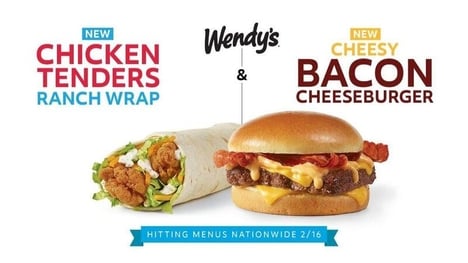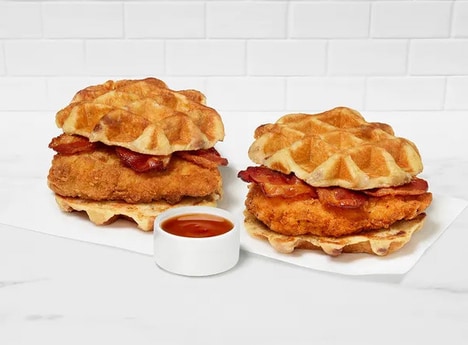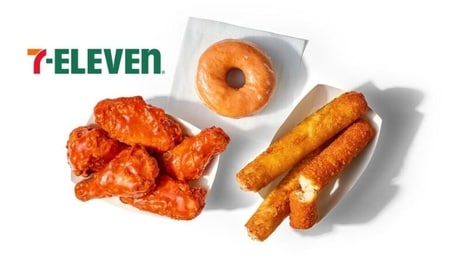
The rise of gas station meal expansions is transforming convenience retailers into full-scale quick-service food destinations. 7-Eleven’s latest chicken-focused rollout introduces a variety of hot, ready-to-eat options, including crispy sandwiches, boneless wings and sweet-savory hybrids like chicken and waffle sandwiches. These offerings move beyond traditional grab-and-go snacks, positioning convenience stores as viable alternatives to fast-food chains throughout the day.
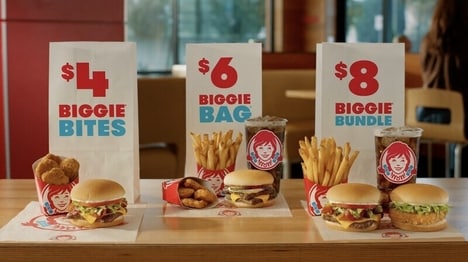
This shift reflects changing consumer expectations for immediacy, variety and affordability in food retail. By pairing indulgent menu items with value-driven pricing and loyalty-exclusive deals, 7-Eleven is targeting budget-conscious consumers seeking quick, satisfying meals at any hour.
This expansion signals increased competition between convenience stores and QSR brands, while unlocking new revenue streams through prepared foods. It also highlights an opportunity for retailers to leverage existing locations as decentralized dining hubs, catering to evolving, on-demand eating behaviors.
Image Credit: 7-Eleven
What Makes This Trend Stand Out
- Convenience-to-qsr Convergence
- Blurring of convenience stores and quick-service restaurants creates potential for multi-format retail footprints offering full meal menus alongside traditional fuel and retail services.
- All-day Value Menuization
- Expanded affordable, indulgent menu items across all dayparts enables high-frequency, low-ticket transactions that could upend conventional restaurant pricing models.
- Decentralized Food Service Hubs
- Use of dense, existing retail locations as on-demand dining nodes presents opportunities for hyper-local distribution and reduced delivery times compared with centralized kitchens.
Sectors Adopting This
- Convenience Retail
- Transformation into meal-focused destinations introduces new revenue lines and operational complexities around foodservice, kitchen design and staffing.
- Quick-service Restaurants
- Competitive pressure from convenience retailers offering similar menu items at lower price points challenges traditional QSR customer acquisition and loyalty strategies.
- Food Logistics and Supply
- Higher demand for prepared foods and fresh ingredients at numerous small sites could drive innovations in micro-fulfillment, cold-chain solutions and supplier partnerships.