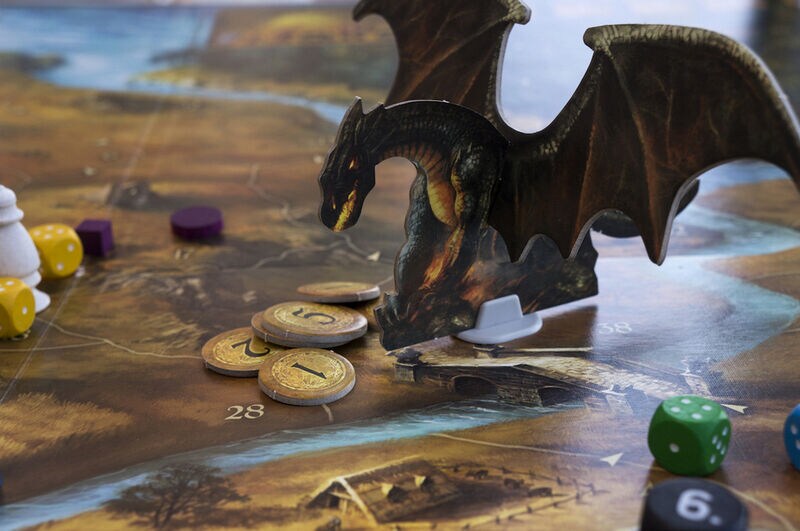
The iconic tabletop role-playing board game Dungeons & Dragons celebrates the special milestone that is its 50th anniversary. To honor this moment, it has undergone a significant change and these updates work to modernize the game and make it a more inclusive experience without raising any controversies amongst its fanbase.
One of the most notable changes is the change of the term 'race' now into 'species' as a means of describing the origins of a character. The game's publisher introduced this shift in order to address the concerns about outdated terms that were used in the original game. Character traits are also no longer inherently associated with species. Additionally, classes and subclasses are standardized as well.
Image Credit: Maria Dmitrieva, Dreamstime.com
Why This Trend Is Growing
- Inclusive Language Transformation
- The shift from 'race' to 'species' in Dungeons & Dragons exemplifies the growing trend of updating language in gaming to foster inclusivity and social sensitivity.
- Modernized Classic Reboots
- Reimagining classic board games with contemporary updates, such as standardized classes and subclasses, highlights a trend where nostalgia meets innovation.
- Diversity-driven Game Design
- The game's changes in character traits signify a trend towards designing games that embrace diversity, allowing players more creative freedom in character development.
Industries Being Reshaped
- Tabletop Gaming
- The tabletop gaming industry finds disruptive innovation opportunities in updating traditional games, aligning them with modern cultural values and expectations.
- Entertainment Media
- In entertainment media, remaking and modernizing beloved classics presents new avenues for engaging broader audiences through culturally relevant content.
- Publishing
- The publishing industry can capitalize on the trend of inclusivity by revising and reissuing content that meets contemporary social norms and expectations.