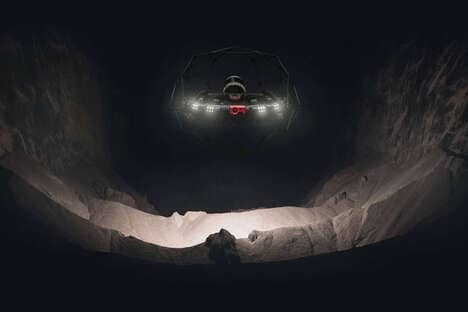
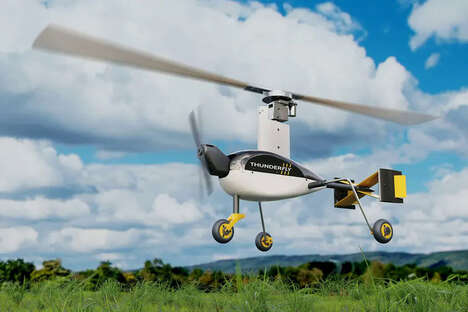
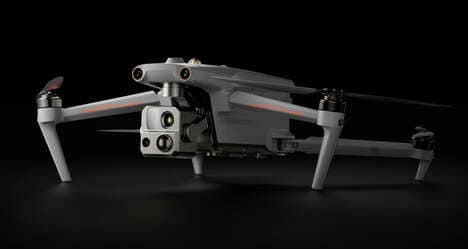
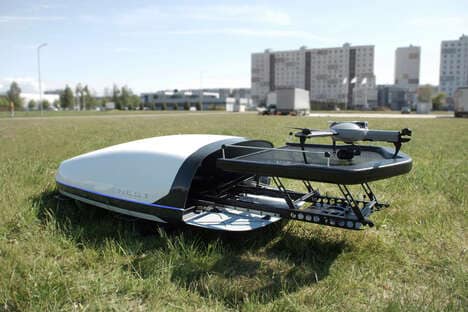
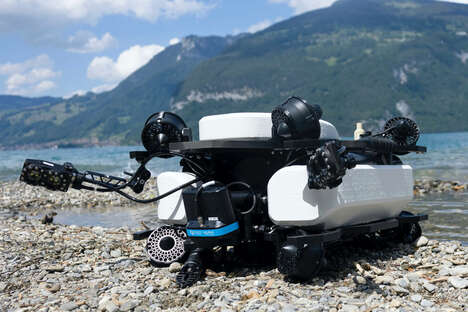
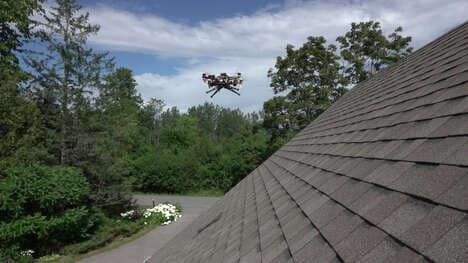
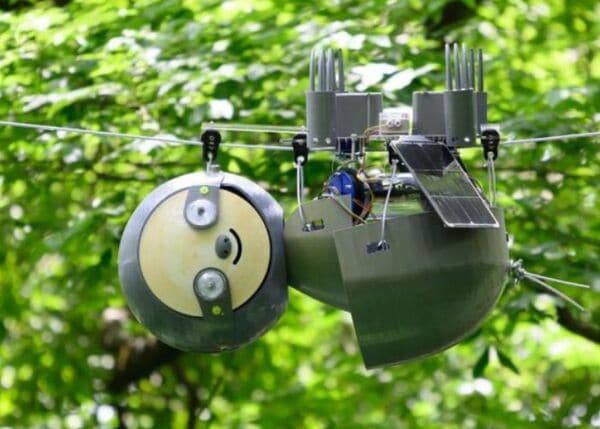
Researchers from Queen's University Belfast were able to create a drone network that could have the capability to detect early warnings of natural disasters. In order to create a drone network, the researchers had to address issues pertaining to battery life. Typically drones are able to operate for approximately 30 minutes in the air, however, the researchers made design changes to significantly increase the amount of time a drone can be in the air.
The drone network is already scheduled to be used by Vietnam's Disaster Management Authority, and other countries could implement the technology in the future. Additionally, the drones are cost-effective and have a lesser price than many professional models currently on the market.
Image Credit: Queen's University Belfast
Key Themes Behind This Trend
- Disaster Predicting Drones
- With this new technology, companies can create effective drone networks that predict natural disasters early enough to prevent damage and loss of life.
- Extended Battery Life Drones
- By addressing battery life concerns in drone technology, businesses can develop drones that can operate for longer periods of time, resulting in more efficient and effective use.
- Cost-effective Drone Models
- The development of cost-effective drone models opens up opportunities for businesses in various industries to leverage drone technology for various applications.
Where This Applies
- Disaster Management
- Organizations that offer disaster management services can benefit from implementing drone networks that can detect early signs of natural disasters and prevent significant damage.
- Agriculture
- The extended battery life of drones can be used for agricultural mapping and monitoring, allowing farmers to accurately and efficiently manage crops and resources.
- Construction
- With cost-effective drone models, construction companies can leverage drone technology for site inspections, monitoring progress, and data collection for analysis and improvements.